


Cognitive Tech for Autism & ADHD: AISee & Abilia Guide
Cognitive technology supports individuals with Autism and ADHD by offering digital tools that manage executive functioning, time perception, and daily task organisation. Through the AISee and Abilia partnership, these evidence-based solutions provide predictable structures that lower cognitive load, foster independence, and ensure better long-term outcomes for neurodivergent users.
What is cognitive technology for Autism and ADHD?
Cognitive technology refers to a specific category of digital assistive tools designed to support the brain's processing abilities. For individuals with Autism and ADHD, these technologies act as external supports for cognitive functions that may be challenging, such as memory, attention, and executive function. Unlike general productivity apps, cognitive technology for Autism and ADHD is built on principles of predictability, visual structure, and simplified interfaces making any application tailored and targeted, or another way to put that, is individualised to suit the user.
In the context of Solutionising , these tools are not about changing the individual but about changing the environment and the way information is presented. By using visual timelines, audio prompts, and simplified step-by-step instructions, cognitive technology reduces the mental energy required to navigate a standard day. This is particularly vital for those who experience "executive dysfunction," where the steps involved in planning and starting a task can feel overwhelming.
These technologies include:
- Visual schedules and digital calendars with countdown timers.
- Sensory-friendly reminder systems that use vibration or light.
- Task breakdown applications that turn complex goals into manageable steps.
- Time-sensing devices that help visualise the passing of time.
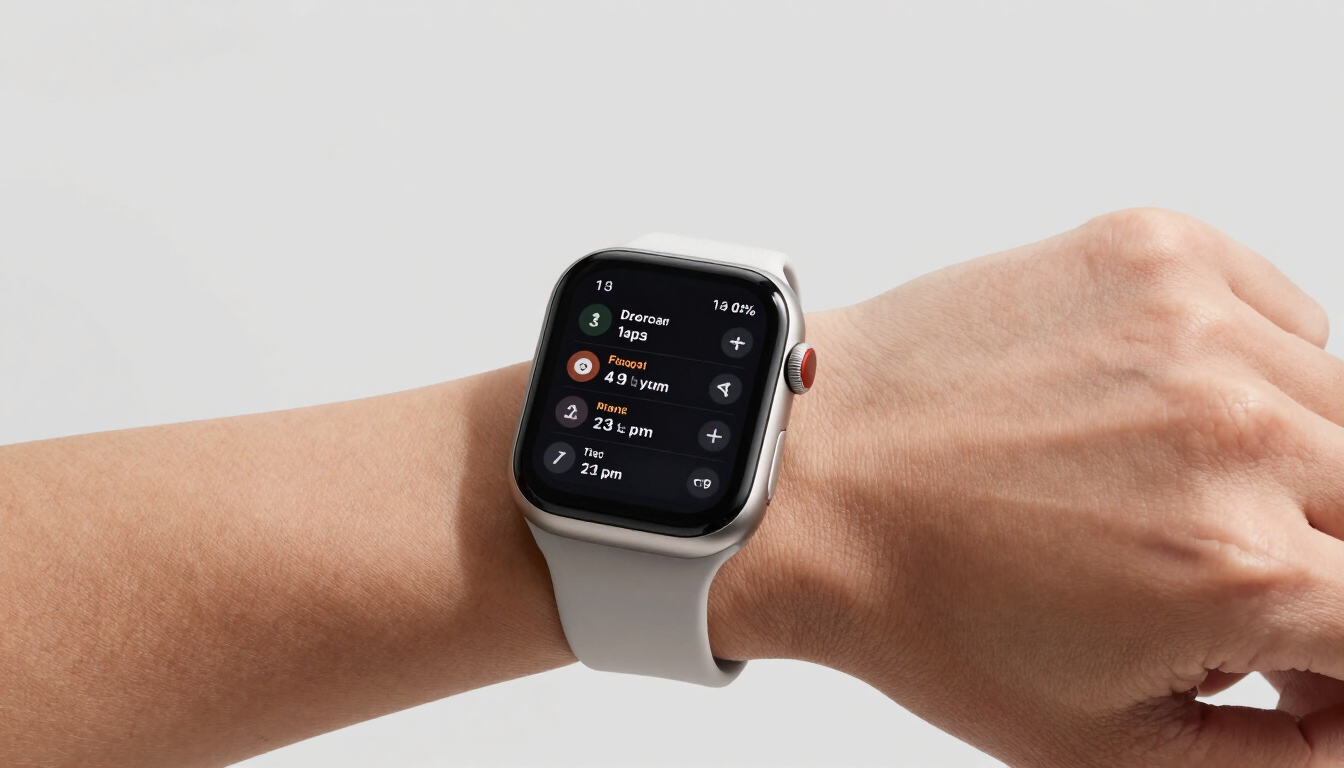
- Cognitive support wearables that provide discreet prompts in social or work settings.
How does the AISee and Abilia partnership improve outcomes?
The AISee & Abilia UK Partnership represents a powerful synergy between neurodivergent-led advocacy, identification and world-leading assistive technology. AISee Collaborative brings a deep, lived-experience understanding of the barriers faced by the neurodivergent community in Scotland and the wider UK. Abilia provides over 40 years of research and evidence-based product development in cognitive support.
Together, this partnership ensures that the technology being recommended is not just high-quality, but contextually appropriate. By combining AISee’s expertise in Advocating and Identifying, for example with AISee's Daily Living Skills Assessment, with Abilia’s proven solutions like the HandiCalendar or MEMOplanner, we can offer a complete pathway for individuals. This pathway moves from identifying a need to implementing a sustainable digital solution that actually works in real-world scenarios.
This partnership focuses on:
- Lowering barriers to informed solutions for better life outcomes.
- Providing evidence-based tools that satisfy clinical and educational standards.
- Ensuring that neurodivergent voices lead the conversation on technological needs.
- Supporting commissioners and health professionals in choosing validated supports.
- Fostering long-term independence rather than short-term compliance.
Core Benefits of Digital Assistive Tools
The primary benefit of using cognitive technology is the reduction of "anxiety-induced episodes." When an individual with ADHD or Autism is faced with a chaotic schedule, the lack of structure can lead to significant stress. Digital assistive tools provide a reliable, unchanging framework. This predictability is a cornerstone of Empowering individuals to take control of their own lives.
Furthermore, these tools provide a common language between the individual and their support network. When a school, workplace, or healthcare provider uses the same cognitive tool as the individual, it creates a seamless transition between environments. This consistency is one of the most cited factors in successful long-term support. It removes the need for constant verbal prompting, which can often be perceived as nagging and can lead to friction in relationships.
Beyond immediate task management, the benefits include:
- Improved self-esteem through increased personal autonomy.
- Reduced caregiver stress and lower reliance on 1-to-1 human support.
- Better integration into educational and employment settings.
- Increased safety by providing reminders for medication or safety checks.
- Greater financial independence through better management of routines.
Why is executive function support critical for neurodivergence?
Executive function is often described as the "CEO of the brain." It manages working memory, cognitive flexibility, and inhibitory control. For those with Autism and ADHD, this CEO often functions differently. As detailed in our Informed Solutions for Better Outcomes Summary Report November 2022 , a lack of executive function support is a leading cause of school exclusion and unemployment among neurodivergent adults.
When we provide cognitive technology for Autism and ADHD, we are essentially providing a "prosthetic" for executive function. If someone has a physical mobility challenge, we provide a ramp or a wheelchair; cognitive technology provides the same kind of access for mental navigation. It allows the individual to bypass the struggle of "starting" and focuses their energy on the "doing."
Without this support, neurodivergent individuals often face:
- Constant "time blindness" (an inability to sense time passing).
- Difficulty prioritizing tasks, leading to important deadlines being missed.
- Sensory overload when trying to process complex, verbal instructions.
- Chronic fatigue from the effort of maintaining a manual routine.
- Social isolation due to missed appointments or social cues.
Implementing Cognitive Solutions in Health and Education
For educators and health professionals, the challenge is often how to integrate these tools into existing systems. The AISee approach focuses on Educating staff to understand that cognitive technology is not just a "gadget," but an essential adjustment under the Equality Act. In schools, these tools allow students to follow the curriculum with less direct supervision, which helps the teacher manage the classroom more effectively while the student builds confidence.
In Social Care and the NHS, the implementation of Abilia’s cognitive supports can lead to significant cost savings. By investing in technology that enables semi-independent living, commissioners can reduce the number of hours required for in-person care. This is a strategic shift from a "deficit-based" care model to an "asset-based" model where technology fills the gap in capability.
Key areas for professional implementation include:
- Additional Support Need Plans
- Individualised Education Plans (IEPs) using visual calendars.
- Transition planning for a child moving from primary to secondary school.
- Transition planning for young adults moving into employment.
- Occupational therapy assessments that include digital tool trials.
- Mental health support to reduce anxiety surrounding daily life management.
- Workplace adjustments that use discreet wearable technology.
What are the cognitive tools for daily management?
The "best" tool is always the one that the individual feels comfortable using and that fits their specific cognitive profile. However, through the AISee-Abilia partnership, several key technologies have stood out for their efficacy. The HandiCalendar , for example, is a robust app that turns a smartphone or tablet into a comprehensive support system with clear pictures, checklists, and speech synthesis.
For those who need a physical, stationary presence in the home, the MEMOplanner offers a large digital display that stays in one place, providing a constant visual reference for the whole family. This is particularly useful for Autism support, where having a "home base" for information reduces the stress of looking for a phone or device. These tools are designed with the end-user in mind.
Tools recommended by the AISee - Abilia partnership include:
- HandiCalendar : For mobile support and time management on the go.
- MEMOplanner : For a fixed, high-visibility daily structure at home or work.
- MEMOday : A simple clock that shows whether it is morning, afternoon, evening, or night.
- MEMO Timer : A visual countdown timer that shows how much of an activity is left.
- Handi5 : A dedicated device for those who need a simplified, locked-down digital interface.
Future-Proofing Support for Planning and Commissioners
Commissioners in Scotland and across the UK are facing increased demand for neurodiversity services with tightening budgets. Future-proofing these services requires a move toward scalable, digital-first solutions. By partnering with AISee and utilizing Abilia’s technology, commissioners can provide high-quality support that evolves with the user. This approach aligns with national strategies focused on digital health and social care integration.
Ultimately, cognitive technology for Autism and ADHD is a long-term investment in human potential. It allows individuals to contribute more fully to their communities, reduces the burden on emergency health services caused by crisis-level anxiety, and supports the mission of AISee: Advocating, Identifying, Solutionising, Education, and Empowering through Collaboration. To enquire simply click here.
Summary of Key Takeaways
- Evidence-Based Support: Cognitive technology provides a proven framework for managing executive dysfunction in Autism and ADHD.
- Strategic Partnership: The AISee and Abilia partnership combines lived experience with world-class assistive technology to lower barriers to success.
- Cost-Effective Independence: Implementing digital tools reduces the need for constant 1-to-1 human intervention and supports independent living.
- Seamless Integration: These tools work across health, social care, and education sectors to provide a consistent support structure.
- Autonomy First: The ultimate goal of cognitive technology is to empower individuals to manage their own schedules and tasks with confidence.
Thom Kirkwood PhD. FRSA. FITOL. FIntAPA. MIEP. GA
Advocating Inclusion, Project and Investigations Coordinator.
AISee Collaborative Limted
Recent Posts