


How the AISee Pathway Delivers Better Outcomes (2026)
Sam messaged to ask - How does the AISee pathway help me, my family and our associated professional practitioners?
The AISee Pathway is a collaborative framework designed to lower barriers to neurodiversity support by Advocating, Identifying, Solutionising, Educating, and Empowering. It bridges the gap between individuals, families, and professionals, supporting informed solutions leading to better outcomes across education, health, social care, and employability sectors.
What is the AISee Pathway?
At its core, the AISee Pathway, as it become know, is more than just a process; it is a philosophy of meeting of minds, together lowering barriers. For many neurodivergent individuals and their families, the journey toward support is often fragmented, confusing, and exhausting. The AISee Pathway was an organic creation by AISee Collaborative Limited to streamline this journey through five interconnected stages. As a neurodivergent-led organization, we understand that the best solutions come from lived experience combined with professional expertise.
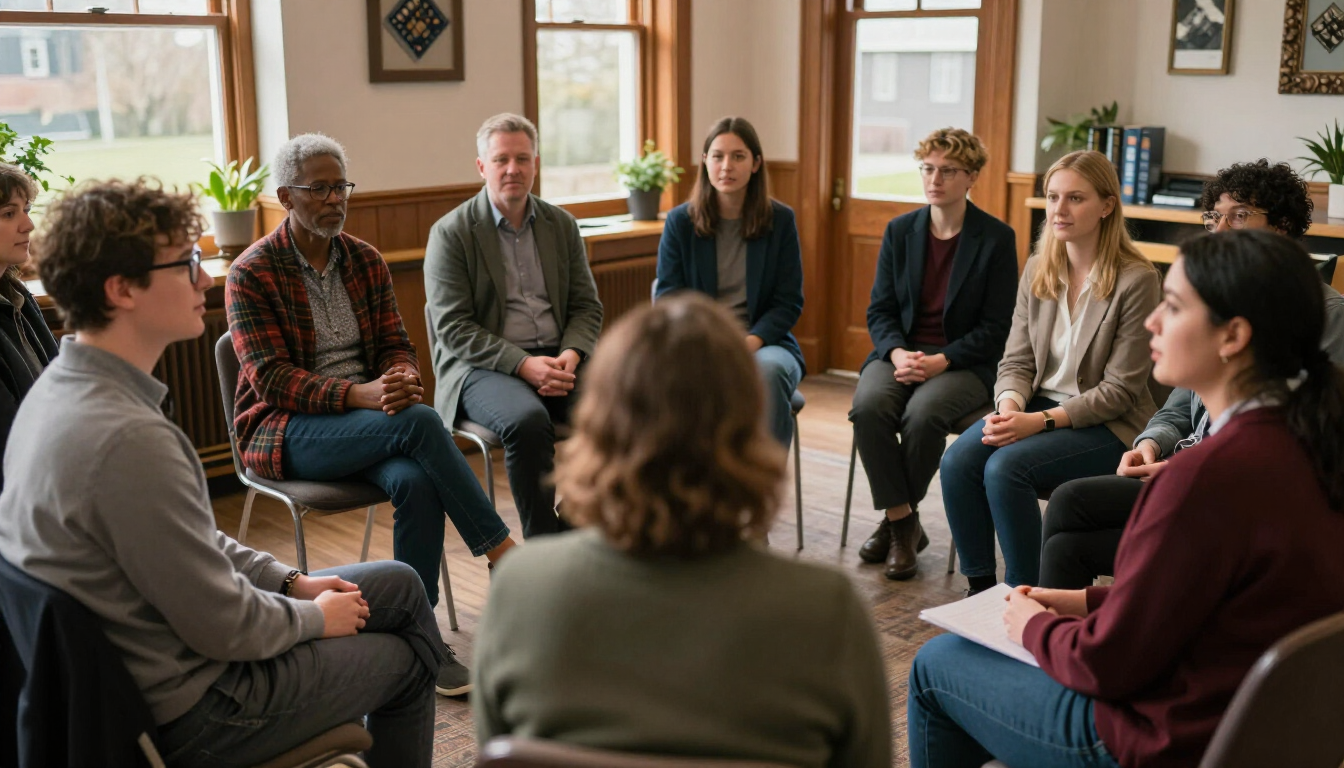
This pathway serves as a roadmap for everyone involved in a person’s support and or care. Whether you are a parent trying to navigate the school system, a supporting practitioner or professional, or an employer looking to create a more inclusive workplace. The pathway provides a structured language and method for collaboration. By focusing on informed solutions, we move away from reactive crisis management and toward inclusive proactive, sustainable support. The goal is always to improve life outcomes by ensuring that every voice is heard and need is better identified.
How does the AISee Pathway, as labelled by community,help individuals and families?
For Sam and many others asking this question, the AISee Pathway offers a sense of clarity in what can often feel like a chaotic system. Families often feel they have to 'fight' for every piece of support, from various assessments to diagnosis, to classroom support and employment adjustments. The AISee Pathway replaces this adversarial model with one of partnership. For individuals, this means having their strengths and challenges recognized in a way that respects their autonomy and unique neurological profile.
Families benefit by gaining access to a community that understands the nuances of neurodivergence. Instead of waiting years for a clinical diagnosis that might not offer practical day-to-day advice, the pathway allows for earlier intervention and support action. We look at the 'whole person' and their environment, identifying barriers to success and working together, not doing for, to remove them. This approach reduces the emotional burden on parent-carers and helps individuals and families feel empowered and more in control.
Advocating and Identifying for family success
The first two stages of the AISee Pathway are crucial for families. Advocating is the foundation. It is about ensuring the neurodivergent voice is at the center of every conversation. We help families Talk to an Advocate who can help translate their needs into language that schools and health providers understand. This isn't just about shouting louder; it's about strategic communication that leads to results.
Identifying is the second step, where we move beyond labels. We look at specific sensory, cognitive, and emotional needs and there connection to practical daily living skills, key to developing informed decision-making and shared ownership. This stage is about gathering high-quality information to build a comprehensive picture of the individual. By identifying needs early and accurately, families can avoid the 'wait and see' that often leads to mental health decline. This proactive identification is a core component of our Informed Solutions for Better Outcomes Summary Report November 2022 , which highlights the impact of early, informed intervention.
Key benefits for families include:
- Reduced stress through clear communication channels.
- Faster access to practical, home-based strategies.
- Greater agency in multi-agency meetings.
- Validation of lived experiences and challenges.
- Improved relationships between home and school and more.
- Improved advocacy and shared ownwership in the decision making process.
- Better informed-desicion making.
How can practitioners use the AISee Pathway?
Practitioners across education, health, and social care often face high caseloads and limited resources. The AISee Pathway assists these professionals by providing a consistent framework for multi-agency working. When everyone uses the same 'A-I-S-E-E' language, including unified assessment reports, the risk of information getting lost in transition between departments decreases significantly. For a practitioner, the pathway acts as an inclusive shared ownership, ensuring that the support decisions in partnership adds value to any support offer being evidence-based and person-centered, tailored and targeted.
By dovetailed integration into their practice, professionals can better align their efforts with the real-time needs of the individuals they serve. It encourages a shift from a 'deficit-based' to a 'strength-based' social model. This not only improves the efficacy of the interventions but also enhances professional satisfaction, as practitioners see tangible improvements in the lives of their clients. The pathway is particularly useful for those in employability and HR sectors, helping to bridge the gap between neurodivergent talent and inclusive workplace practices.
Solutionising and Educating across professional sectors
The Solutionising stage is where the magic happens. It involves brainstorming and implementing creative, informed solutions that are tailored to the individual’s specific context. Rather than using 'off-the-shelf' interventions, we encourage practitioners to work with the individual to see what actually works. This might involve environmental tweaks, assistive technology, or communication adjustments that make a world of difference. This could for example include a referral to Abilia UK, an AISee assistive technology partner.
Educating is equally vital. We believe that everyone in the circle of support needs a high level of neuro-literacy. Through our pathway, we provide education that is peer-led and grounded in real-world practice and supportive inclusive reflective learning and research. This helps families and practitioners stay up-to-date with the latest understanding of neurodivergence, moving away from outdated stereotypes. Our collaborative approach ensures that education is not a one-way street; professionals learn from the lived experience of the families, creating a richer, more informed shared ownership inclusive decision-making environment.
Practical applications for practitioners:
- Connected reporting and documentation formats.
- Collaborative goal-setting with families.
- Access to a network of neurodivergent experts.
- Clearer pathways for referral and escalation.
- Enhanced data collection for better outcomes.
Empowering through collaborative partnerships
The final stages of the AISee Pathway focus on long-term sustainability. Empowering is about building the capacity of the individual and their support network so that they can eventually navigate the world with confidence and independence. It is the 'teaching a person to fish' stage of the process. When an individual is empowered, they understand their own needs and can self-advocate, reducing their long-term reliance on crisis services.
Collaborating is the thread that runs through everything we do. We don't work in silos. We actively seek partnerships with other organizations to expand the reach of the AISee Pathway. A prime examples is our AISee & Abilia UK Partnership, our networks of both professional and community connections, which combines our neurodivergent-led insights with world-class assistive technology. By collaborating, we lower the barriers to entry for informed solutions, making support more accessible for everyone, regardless of their location in Scotland or the UK.
Why is the AISee Pathway a unique neurodivergent-led approach?
What sets the AISee Pathway apart is that it was organically and collaboratively designed by those who have walked the walk. Being neurodivergent-led means we don't just study neurodiversity; we live it, in ourselves and/or as parent carers, and incorporate lived learning into our professional practice. This perspective allows us to spot the 'invisible' barriers that others might miss. We understand the sensory overwhelm of a busy clinics, assessment environments, the executive dysfunction of managing multiple appointments, and the emotional toll of constant self-justification.
Our approach is grounded in the belief that neurodiversity is a natural variation of the human genome. We are looking for 'better outcomes.' By using the AISee Pathway, you are joining a movement that values the meeting of minds and the power of collaboration. We invite you to explore our resources, connect with our team, and see how this pathway can transform your experience of neurodiversity support.
Key Takeaways for Sam and Other Readers:
- The AISee Pathway is a 5-step framework: Advocate, Identify, Solutionise, Educate, Empower.
- It bridges the gap between lived experience and professional expertise for informed solutions.
- Families gain clarity, reduced stress, and a stronger voice in their support needs journey.
- Practitioners receive a structured, collaborative support to improve service delivery.
- The goal is sustainable, person-centered support that leads to better long-term outcomes.
- Individuals, families and their partner professionals gain a shared-ownership approach.
In summary, the AISee Pathway provides a holistic, informed, and collaborative way to navigate neurodiversity. By starting with advocacy and identification, moving through creative solutionising and education, and ending with empowerment, we strive to ensure that every individual has the opportunity to thrive. Whether you are an individual, a parent, or a professional, the AISee Pathway is an approach to achieving the better outcomes you deserve. Transitioning from negative to positive.
The AISee Team.
Recent Posts