Inclusive neurodivergent Co-production: How to Design Better Services With People, Not For Them

AISee Collaborative • August 12, 2026

Share this article

Inclusive neurodivergent Co-production is a practical way to build services that work in real life. It means neurodivergent people help shape decisions, language, access, and delivery from the outset, rather than being asked for feedback after the main choices are already made. That difference matters in public-sector settings, where a service can look inclusive on paper but still fail in practice.

For AISee Collaborative, co-production connects directly to advocacy, assessment of need, reasonable adjustments, inclusive practice, and solution-focused service design. It also supports the brand’s wider collaboration work, because better services are usually built through listening, testing, and barrier reduction, not assumptions. If you need a wider overview of how AISee supports people and organisations, see AISee Collaborative’s training, advocacy, and support services. This guide shows what co-production neurodiversity means, why consultation is not the same thing, and how public-sector teams can apply it in education, health, social care, and local authority settings without slipping into tokenism.

What does inclusive neurodivergent co-production mean in service design?

Inclusive neurodivergent co-production means people with lived experience help design, test, and improve services as equal partners. It is a shared process, not a one-off feedback exercise.

In practice, inclusive co-production brings neurodivergent people into decisions about what a service is for, how it should work, and what success should look like. That includes autism, ADHD, dyslexia, dyspraxia, Tourette syndrome, and related profiles. It also includes people with co-occurring needs, such as anxiety, learning disabilities, sensory differences, or mental health difficulties. For a plain-language overview of co-occurring profiles, Just One Norfolk’s resource on what are co-occurring neurodiversity conditions is a useful starting point.

This matters because many services are built around what staff can easily deliver, not what users can easily access. Co-production corrects that imbalance. It can shape appointment systems, written information, meeting formats, complaint routes, and digital journeys. It also helps teams notice where systems create hidden barriers.

A good definition of co-production in psychology is simple. It is a collaborative approach where professionals and service users work together to understand needs and make decisions. In neurodiversity work, that collaboration should be accessible, respectful, and genuinely influential.

For teams looking to move from theory to action, AISee’s solutionising and barrier-reduction support can help translate lived experience into workable service changes. Likewise, if a service needs a clearer view of barriers before redesign, assessment of need and identifying support can provide a person-centred starting point.

If you want a concise expert-led overview of why lived experience matters, the WIRED conversation with Professor Matt Lerner is a useful watch. It helps explain why co-production neurodiversity should be built around real-world needs, not assumptions.

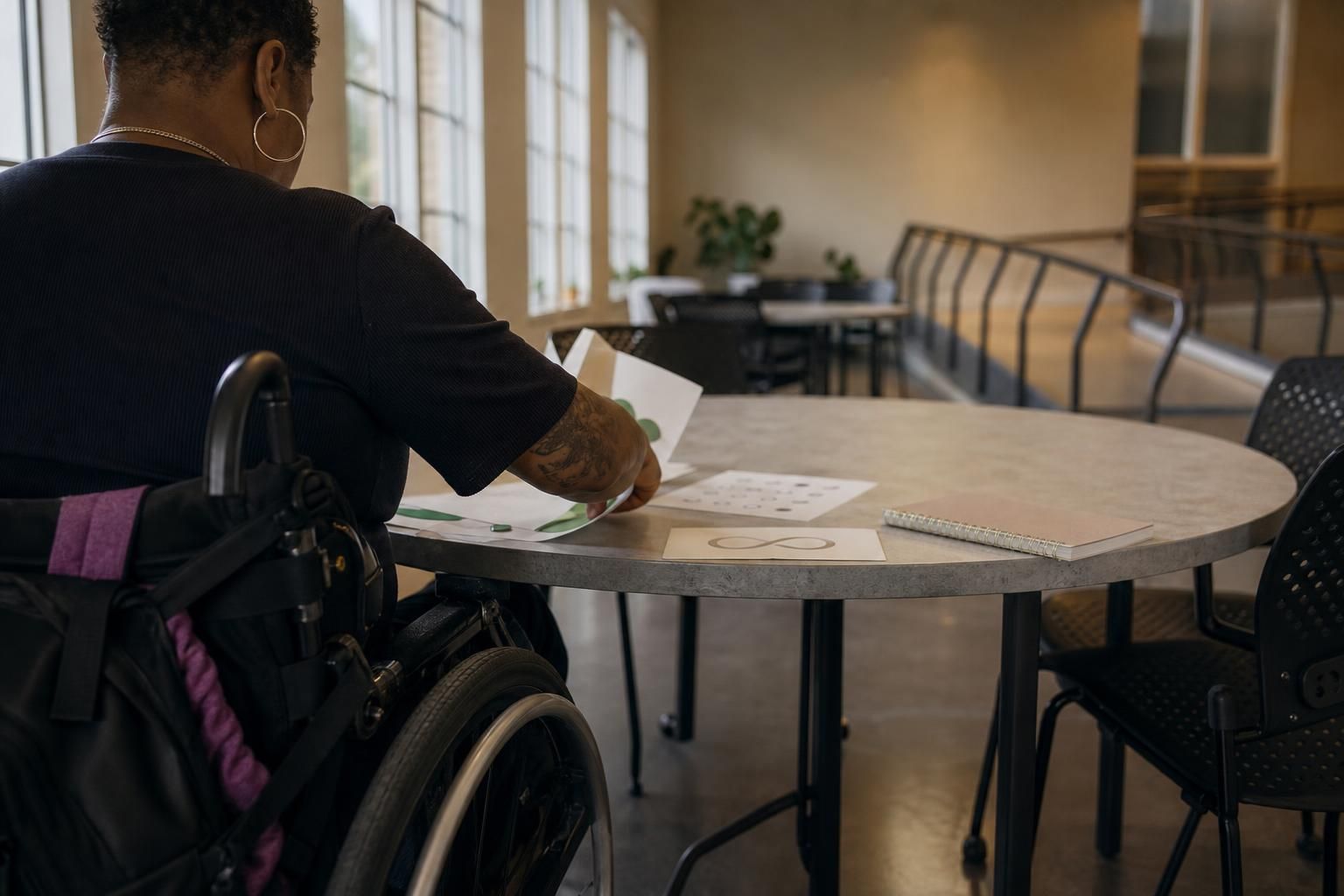
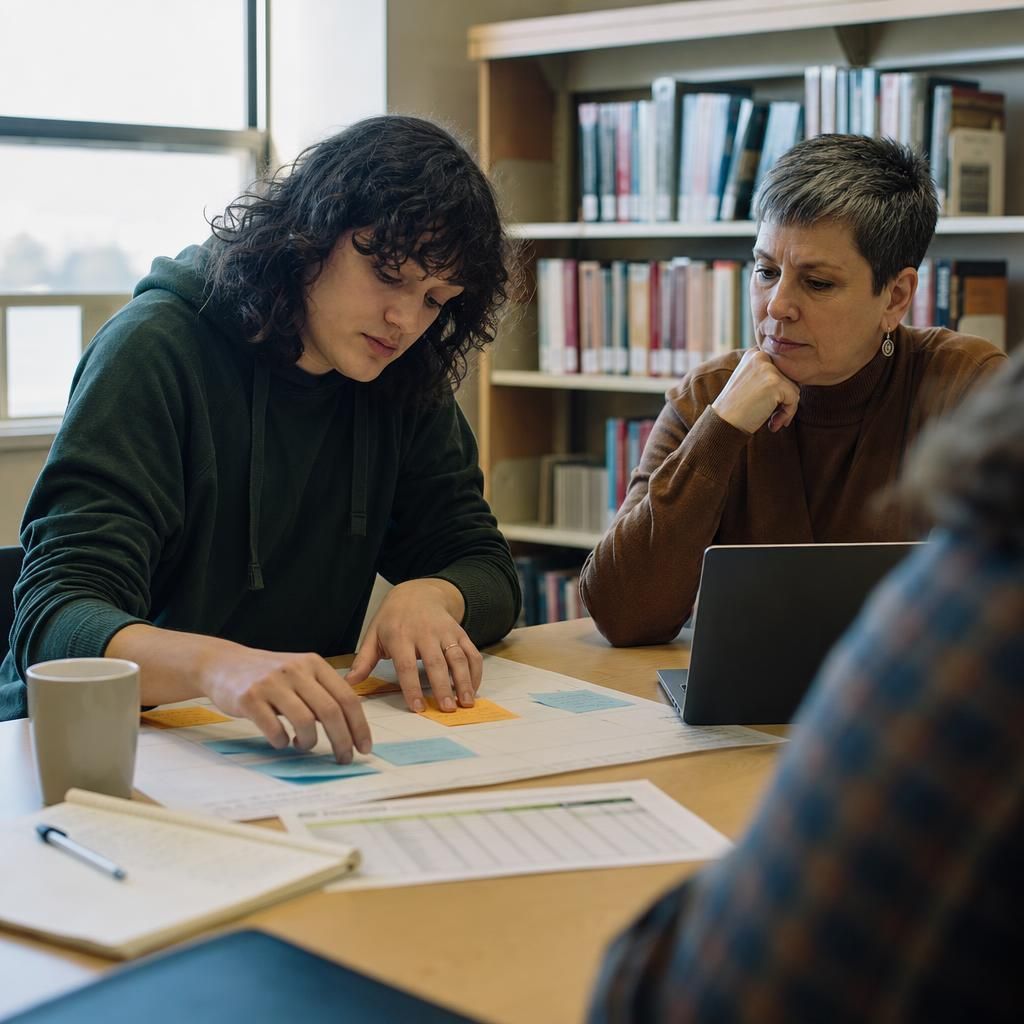
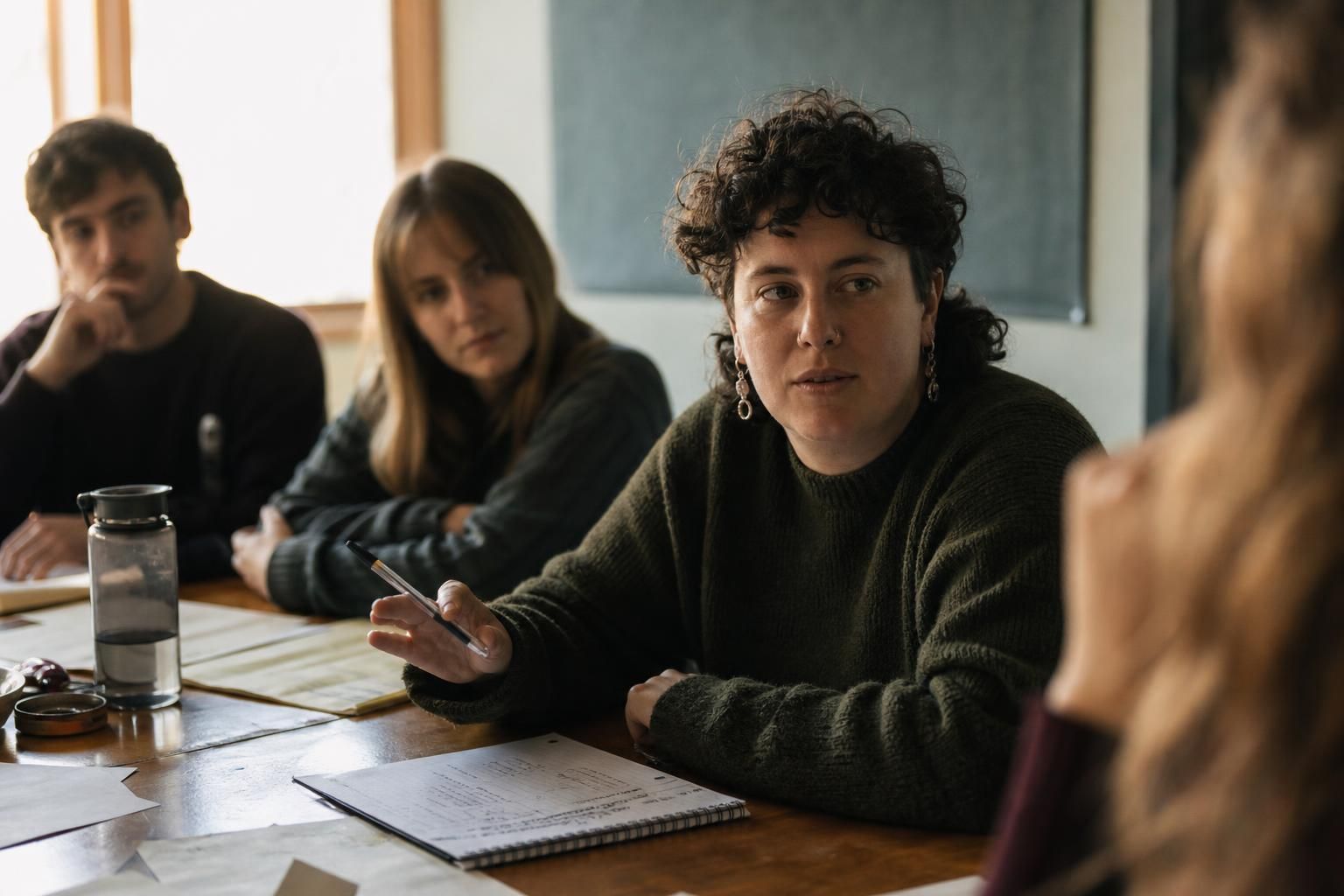
Neurodivergent adult shaping notes in a library meeting room 

What is co-production in psychology?

Co-production in psychology is a shared approach to understanding needs and planning support. Instead of professionals making all the decisions, people with lived experience help shape the process.

Inclusive co-production, that means the person is not treated as a case to be managed. They are treated as an expert in their own access needs, communication preferences, energy limits, and priorities. That shift often improves engagement and reduces the risk of services missing the real issue.

Why inclusive co-production is different from consultation

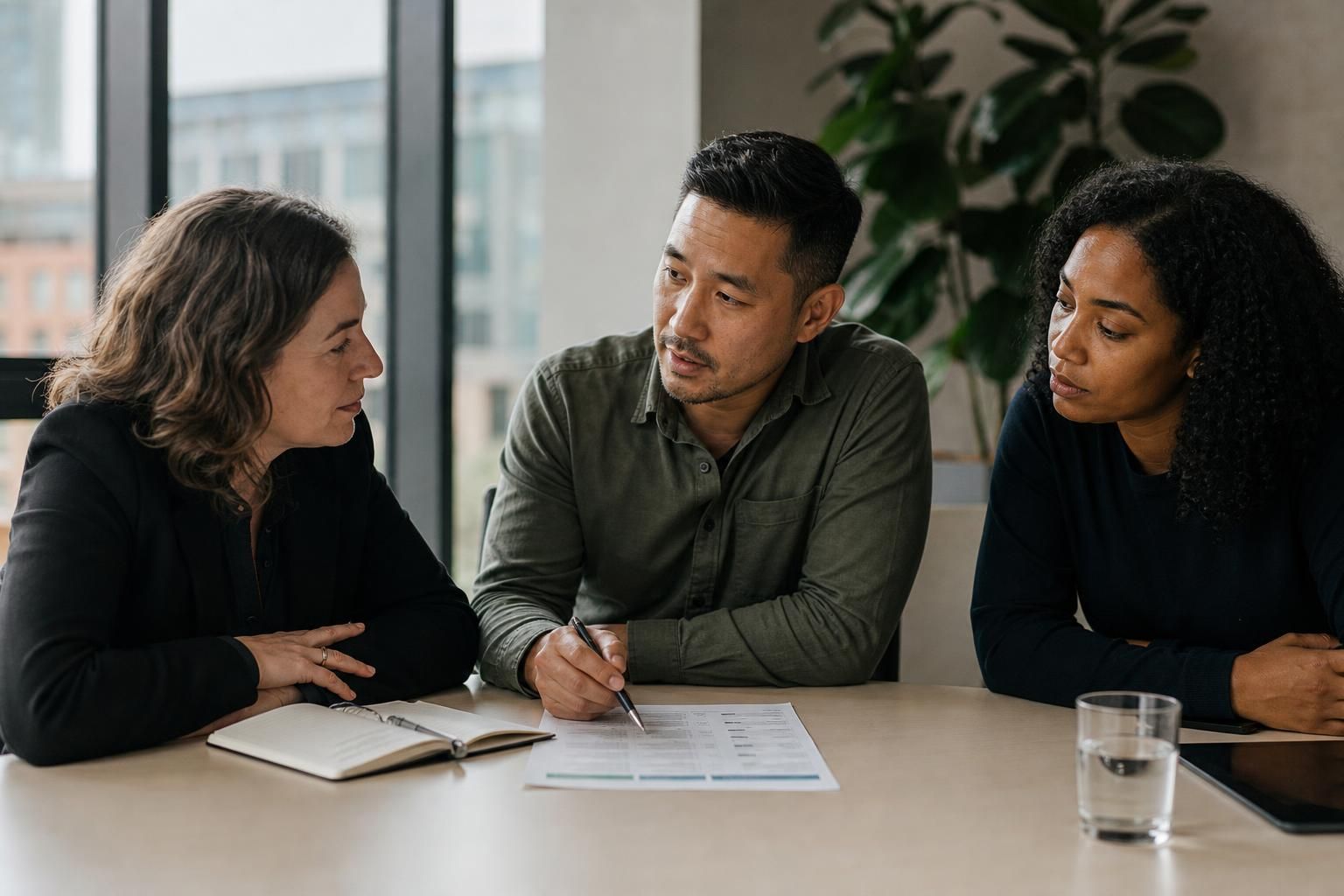
Inclusive co-production is different from consultation because it shares power. Consultation asks for views; co-production changes decisions.

That difference is important. Many services say they “consult” users, but the framework, budget, or timeline is already fixed. In that situation, feedback may be welcomed, but it cannot meaningfully shape outcomes. Inclusive neurodivergent co-production starts earlier. It involves people in framing the problem, testing options, and deciding what trade-offs are acceptable.

This is why public-sector teams often benefit from a structured collaboration model. AISee’s neurodiversity consulting for inclusive organisations is designed for exactly that kind of work. It supports services that need practical guidance, not just awareness raising. In many cases, teams also need reasonable adjustments support for education, work, health, and care because co-production fails when access needs are ignored.

A useful external reference point is the EDICa recording on co-production in a neurodiversity context. It shows how research and practice improve when neurodivergent perspectives are treated as central rather than decorative.

Consultation can still be valuable. However, it is only one stage. Inclusive neurodivergent co-production goes further by making lived experience part of governance, design, and review. As a result, services are more likely to be usable, not just well-intentioned.

This distinction also helps teams avoid tokenism. If people are invited in after the decisions are made, they may feel heard but not respected. Inclusive neurodivergent co-production  aims for both.

Why consultation alone often falls short

Consultation often happens too late. By then, the service model is already fixed and only minor changes are possible.

That is a problem for neurodivergent users, because many barriers sit in the design itself. A late-stage survey cannot fully fix inaccessible letters, rigid appointment systems, or overwhelming environments. Inclusive neurodivergent co-production works better because it identifies those barriers before they become embedded.

Why neurodivergent voices are often missed in co-production

Neurodivergent voices are often missed because the process itself is inaccessible. If the method excludes people, the output will not represent them.

Common barriers include short notice, noisy meetings, jargon-heavy documents, rapid back-and-forth discussion, and pressure to perform confidence or eye contact. Some people also need more processing time, written questions in advance, breaks, or alternatives to group discussion. Without these adjustments, the same people tend to dominate the room.

That is why co-production should never rely on “usual suspects” alone. A few confident voices can make a process look inclusive while leaving out people with higher support needs, communication differences, or fluctuating energy. It can also miss families, carers, and professionals who see barriers from different angles.

The NAIT guide to co-production with neurodivergent communities offers a suggestive external resource or strating point here: co-production with neurodivergent communities. It reinforces a key principle: access is not a courtesy, it is the condition that makes participation meaningful.

AISee’s advocacy and representation support can help individuals and services navigate these barriers. In addition, neurodivergent-led advocacy is often the difference between symbolic involvement and real influence.

For public-sector teams, the lesson is straightforward. If the room is not accessible, the decision is not co-produced. Inclusive co-production depends on access, timing, and trust.

How to tell when voices are being missed

Look for uneven participation, repeated themes from the same small group, and feedback that does not change anything. Those are warning signs.

Another sign is when service users are asked to explain their needs repeatedly without seeing action. Inclusive co-production, participants should see how their input affects the next draft, policy, pathway, or training plan or more importantly at 'grass root' how it impacts on them as individuals. That is why AISee and partners undertook Informed Solutions for Better Outcomes.

Principles of accessible co-production neurodiversity

Accessible co-production neurodiversity is built on a few clear principles. If these are missing, the process may be participatory, but it will not be equitable.

The six principles of co-production are often described in similar ways across sectors: people have assets; work is built on mutuality; there is reciprocity; peer support matters; relationships are important; and power is shared. In neurodiversity work, those principles need to be translated into access, pacing, communication, and visible follow-through.

A practical way to apply co-production neurodiversity is to ask one question at every stage: “Who can participate comfortably, and who will be excluded by this method?” That question is more useful than a generic engagement checklist.

For teams planning training or implementation support, AISee’s education, active learning, and expertise services can help staff move from awareness to practice. Where organisations need a wider review, co-produced solutionising can identify what needs to change first.

The EDI Caucus session on co-production in the context of neurodiversity is worth watching because it shows how theory and practice meet in real projects. It is especially useful for public-sector teams that need a model they can adapt.

Below are four practical principles that make co-production neurodiversity more accessible and more effective.

Choice and psychological safety

People need genuine choice about how they take part. Some will prefer a 1:1 call, others written feedback, and some a small group with breaks.

Psychological safety matters too. If participants fear being dismissed, corrected, or overruled, they will share less. Co-production neurodiversity works best when people can disagree without penalty and can leave a session without losing access to future involvement.

Communication accessibility

Communication should be clear, concrete, and predictable. Send agendas early, avoid jargon, and explain acronyms.

Offer the information in more than one format where possible. That might include plain English, bullet points, visual summaries, or a follow-up written brief. Communication accessibility is not an add-on to inclusive neurodivergent co-production. It is one of the main tools that makes participation possible.

Power sharing and transparent decision-making

Participants should know what is open to change and what is not. Otherwise, the process feels performative.

Clear decision logs help. So do honest updates about budget, policy, or legal limits. In co-production neurodiversity, transparency builds trust because people can see how their input moved the work forward.

Feedback loops and visible change

People should be able to see what changed after they contributed. That closes the loop and prevents fatigue.

Feedback loops also help services learn. If a suggestion cannot be adopted, explain why and offer alternatives. This is one of the clearest signs that inclusive co-production is real rather than coercive, symbolic or tokenism .

How does inclusive co-production work in education, health, social care, and local authority settings?

Inclusive neurodivergent co-production works best when it is tied to a live service problem. It should be used to improve pathways, remove barriers, and test practical changes. 

In education, that may mean shaping classroom support, communication with families, or referral routes for assessment and support. In health and social care, it may involve appointment access, sensory needs, discharge planning, or information about reasonable adjustments. In local authority settings, it can inform consultation design, service redesign, and community engagement.

The strongest projects are specific. They ask: what barrier are we trying to remove, who experiences it, and what would better look like in practice? This is where co-production neurodiversity becomes more than an engagement method. It becomes a service-quality tool.

One useful source of wider practice insight is the Cheshire and Merseyside report, CWVA CYP Neurodiversity Report 24. It highlights the value of involving young people and family perspectives in service thinking.

AISee supports this work through education advocacy for neurodivergent learners and families, neurodiversity training for employees, and support for neurodiverse students. For services that need more than training, talk to AISee and book a call to explore a tailored approach.

In practice, co-production neurodiversity is strongest when it sits alongside assessment, advocacy, and implementation support. That combination helps organisations move from intention to action.

What services should change first?

Start with the highest-friction points. These are usually communication, appointments, access routes, and complaint processes. Currently one of the highest frictions points is assessment for earlier interventions and supports. That is why AISee Collaborative and others have Called for and proposed a Test for Change project.

If those parts fail, users experience the whole service as inaccessible. Co-production neurodiversity should prioritise the places where people drop out, get stuck, or stop trusting the system.

How AISee facilitates co-production neurodiversity

AISee facilitates co-production by combining advocacy, assessment, training, and practical problem-solving. That means the work can move from listening to action.

For public-sector teams, the value lies in having support that is both person-centered and operational. AISee can help clarify need, identify barriers, guide reasonable adjustments, and support teams through collaborative redesign. This is especially useful when a service wants co-production to lead to measurable practice change, not just a workshop or report.

The brand’s model also fits complex situations. Some users need rights-based advocacy. Others need support to explain access needs. Many organisations need multi-disciplinary thinking because the barrier is not one thing; it is a combination of communication, process, environment, and policy.

That is why AISee’s reasonable adjustments meaning guide can be a useful companion page, especially for teams trying to make co-production neurodiversity concrete. It also helps to understand how advocacy and adjustment planning interact.

In addition, AISee’s service mix includes consultations, workshops, short courses, webinars, and technology partnerships. That breadth matters because co-production neurodiversity is not one task. It is a way of working across a whole organisation.

If your service needs help planning the next step, AISee can support with collaborative scoping, barrier reduction, and implementation. The goal is simple: build services with people, not for them.

When to bring in an external partner

Bring in external help when the team is stuck, when trust has broken down, or when no one can agree on the real problem.

An outside partner can make the process safer and more structured. In co-production neurodiversity, that often helps everyone slow down, clarify priorities, and produce changes people can actually use.

Test for Change resources and learning for co-production neurodiversity

Test for Change is most useful when a service wants to learn by doing. It fits inclusive co-production  because it encourages small, visible changes that can be reviewed with the people affected.

This approach is valuable in public-sector work. Large system change can take time, but small tests can reveal whether a new form, meeting format, or support route is actually accessible. That means the organisation learns faster and with less risk.

If you want to deepen internal capability, pair Test for Change thinking with neurodiversity training for teachers, wider organisational learning, or a targeted review of service pathways. That combination can support co-production neurodiversity across departments.

For AISee, Test for Change sits naturally beside inclusive practice, advocacy, and service redesign. It provides a practical framework for checking whether a proposed solution reduces barriers or simply relocates them. It also helps teams keep momentum, because the impact of change becomes visible sooner.

The most effective services do not treat neurodivergent people as an audience. They treat them as co-designers. Test for Change helps make that real by turning ideas into experiments, and experiments into better practice.

Does AISee Collaborative undertake collaboration to improve or enhance existing processes?

The short answer to that is YES.


AISee Collaborative following our call for a study  will be submitting a proposal for a collaborative integrated a societal and academic research project in response to the significant growth in expressions of interest generated by the Informed Solutions for Better Outcomes pilot project, which ran from April 2021 to September 2022.


In recent months expressions of interest have been received across a wide range of sectors, including health, health and social care, education, employability, children and young people’s justice, and safe and secure care. Collectively, these expressions indicate potential relevance across 28 service areas.


This interest is reflected across wider society, including engagement from Members of Scotland’s Autistic Informed Community, Renfrewshire Autism and Neurodiversity Project, the Scottish ADHD Coalition, parent carer support groups, and the collective support associated with AISee's DiACs drop-in advocacy cafés provision.


This societal and academic research proposal sets out a practical, evidence-informed Test for Change study designed to strengthen earlier assessments, integrated support and collaborative decision-making for children and young people with neurodevelopmental and mental health needs, with impactful evidence coming to the fore within six months. Inclusive of appropriate development of AI support to enhance efficiency and aid longitudinal service sustainability.


The core purpose of the is test whether, timely structured and mutli-informant evidence gathering can improve identification, intervention planning, support coordination and measurable outcomes. The study aims to enhance service design by reducing duplication, strengthening shared ownership and informing future commissioning and scalable implementation.

In that sense, not just building from a piloted and tested neurodivergent inclusive co-productive project,  but attempting to take it forward as a method for building services that are clearer, kinder, and more workable for everyone.

Key Takeaways


  • Inclusive neurodivergent cCo-production means neurodivergent people shape services as equal partners, not after-the-fact consultees.
  • Accessible methods matter as much as good intentions; without them, the same voices dominate and others are missed.
  • Consultation asks for views, but co-production changes decisions and makes power sharing visible.
  • AISee can support co-production through advocacy, assessment, consulting, training, and barrier-reduction work.
  • Test for Change helps services pilot small changes and check whether they genuinely improve access and inclusion.

Frequently Asked Questions

What are the six principles of co-production?

The six principles are usually described as assets, mutuality, reciprocity, peer support, relationships, and power sharing. In co-production neurodiversity, those principles only work if the process is accessible and if people can see their input change decisions. Otherwise, the principles stay theoretical. The practical test is simple: are neurodivergent people shaping the work, or only commenting on it after key choices are fixed?

What are co-occurring neurodiversity conditions?

Co-occurring neurodiversity conditions are additional differences or needs that appear alongside a neurodevelopmental profile. For example, someone may be autistic and also have ADHD, dyslexia, anxiety, sensory processing differences, or a learning disability. In co-production neurodiversity, recognising co-occurrence matters because one-size-fits-all support usually misses the real barrier.

What is co-production in psychology?

Co-production in psychology is a collaborative way of working where professionals and people with lived experience shape understanding and support together. In co-production neurodiversity, that means the person is treated as an expert in their own needs, not just as a recipient of a service. It is especially useful when access, trust, and communication affect outcomes.

What is the best way to start co-production neurodiversity in a public service?

Start with one real problem, not a broad ambition. Choose a barrier that users already experience, bring in neurodivergent people early, and make the process accessible from the outset. Then test a small change, review what happened, and show participants how their input shaped the result. That is the most reliable way to begin co-production neurodiversity without tokenism.

Recent Posts

Education Advocacy for Neurodivergent Learners and Families
By AISee Collaborative August 11, 2026
Education advocacy neurodiversity is about making sure learners are understood, heard, and supported in real school settings. For many families, the challenge is not just getting a meeting. It is getting the right information, the right people at the table, and a plan that actually works after everyone leaves the room. That is where structured advocacy matters. It helps with school communication, support planning, exclusion risk, attendance concerns, and the practical steps that turn concern…
Why Neurodivergent-Led Advocacy Matters
By AISee Collaborative August 5, 2026
Neurodivergent led advocacy is advocacy shaped by lived experience, not just theory. That matters because people do not only need information; they need support that understands how systems feel from the inside. When advocacy is led by neurodivergent people, it is more likely to respect communication differences, sensory needs, executive functioning barriers, and the reality of power imbalance. It can also reduce the risk of being misunderstood, dismissed, or pushed into one-size-fits-all…

Reasonable Adjustments Support for Education, Work, Health, and Care
By AISee Collaborative August 4, 2026
Reasonable adjustments support helps people move from uncertainty to action. If you know a barrier exists, but you are not sure what change is needed, this service-led approach can help identify the issue, shape the request, and turn it into something practical. At AISee Collaborative, reasonable adjustments support is person-centred, rights-based, and focused on outcomes that work in real settings. That may mean help for an individual, a family, a school, an employer, or a health or…
Reasonable Adjustments Meaning: What They Are and How to Ask for Support
By AISee Collaborative August 2, 2026
If you are searching for reasonable adjustments, you probably want a plain-English answer, not legal jargon. In simple terms, reasonable adjustments are changes that help remove barriers caused by disability, neurodivergence, or a health condition. They can be small, practical, and highly effective. For example, that might mean a quieter appointment room, clear written instructions, more time, or a different way to communicate. The point is not to give someone special treatment. The point is…
Neurodiversity Training for Employees: Building Safer, More Inclusive Workplaces
By AISee Collaborative July 30, 2026
Neurodiversity training for employees is not just about awareness. It is about giving teams the language, confidence, and practical habits they need to work well with difference. When organisations understand neurodiversity, they are better placed to reduce misunderstandings, support wellbeing, and make adjustments before small issues become complaints or formal disputes. For employers, the value is clear. Neurodiversity training for employees can improve communication, clarify expectations…
Daily living skills assessment checklist on a desk
July 29, 2026
Discover how the AISee Daily Living Skills Assessment identifies practical assets and needs across 68 categories to support neurodivergent individuals and families.
Neurodiversity Training for Teachers: What Effective Training Should Include
By AISee Collaborative July 29, 2026
Neurodiversity training for teachers should do more than raise awareness. It should help educators make better everyday decisions about communication, classroom routines, behaviour, access, and belonging. When training is practical and neuroaffirming, staff are more confident about supporting students without relying on assumptions or stereotypes. That matters because inclusive teaching is built in small moments: how instructions are given, how transitions are handled, and how needs are…
How to Support Neurodiverse Students: A Practical Guide for Inclusive Classrooms
By AISee Collaborative July 27, 2026
Understanding how to support neurodiverse students starts with a simple shift: stop asking students to fit the classroom, and start shaping the classroom around real needs. Neurodiverse learners are not a problem to fix. They are learners who may process information, communication, movement, sensory input, or social expectations differently. That difference needs practical support, not assumptions. This guide from AISee Collaborative focuses on what educators can do in everyday practice. It…
Digital cognitive support tool for neurodivergent individuals.
July 26, 2026
Discover how cognitive technology and the AISee-Abilia partnership support Autism and ADHD through evidence-based digital assistive tools and solutions.
Diverse group of people collaborating on neurodiversity solutions.
July 25, 2026
Discover how the AISee Pathway supports families, individuals, and practitioners through Advocating, Identifying, Solutionising, Educating, and Empowering collaboration.
Show More