
Neurodiversity Training for Employers: Practical Workplace Inclusion That Reduces Barriers

AISee Collaborative • August 14, 2026

Share this article

Neurodiversity training for employers is most effective when it goes beyond awareness and leads to real workplace change. It should help managers, HR teams, and leaders understand how barriers appear in everyday tasks, meetings, recruitment, communication, and performance processes. It should also show what reasonable adjustments look like in practice, so inclusion becomes part of normal working life rather than an afterthought. That is the approach AISee Collaborative brings to rights-based advocacy, training, and inclusive practice support. For employers, that means practical learning with a clear outcome: fewer barriers, better confidence, and more people able to do their best work. For neurodivergent employees, it means being seen as a whole person, not treated as a problem to manage. In this guide, we explain what neurodiversity training for employers should achieve, who needs it, what it should cover, and how AISee can tailor support for your organisation.

Neurodiversity training for employers: what it should achieve

Neurodiversity training for employers should change practice, not just increase awareness. It should help people understand difference, reduce avoidable barriers, and improve how decisions are made across the workplace.

The best training gives employers a clear framework for inclusion. That includes understanding disability rights, communication differences, sensory needs, executive functioning, and the role of reasonable adjustments. It also helps teams move from vague intentions to specific actions. For example, a manager may learn how to make meetings more accessible, how to agree support needs without stigma, and how to respond when performance issues are actually process issues.

Good neurodiversity training for employers should also connect with organisational policy. Therefore, it should link to recruitment, induction, line management, supervision, absence processes, and return-to-work conversations. If the learning does not reach those points, the training remains theoretical.

AISee Collaborative designs training with that practical focus. We also connect training with solutionising and barrier reduction, so employers leave with clear next steps rather than a generic checklist. That is especially important in commercial settings, where leaders often need advice that is usable immediately.

For context, Acas provides helpful guidance on understanding neurodiversity at work. Meanwhile, the NHS employer resource how to support neurodiversity in the workplace is a useful reminder that inclusion depends on everyday adjustments, not special treatment.

At AISee, neurodiversity training for employers is rights-based, lived-experience-informed, and practical. Consequently, the goal is not only awareness. The goal is better decisions, fairer systems, and workplaces where people can stay, contribute, and progress.

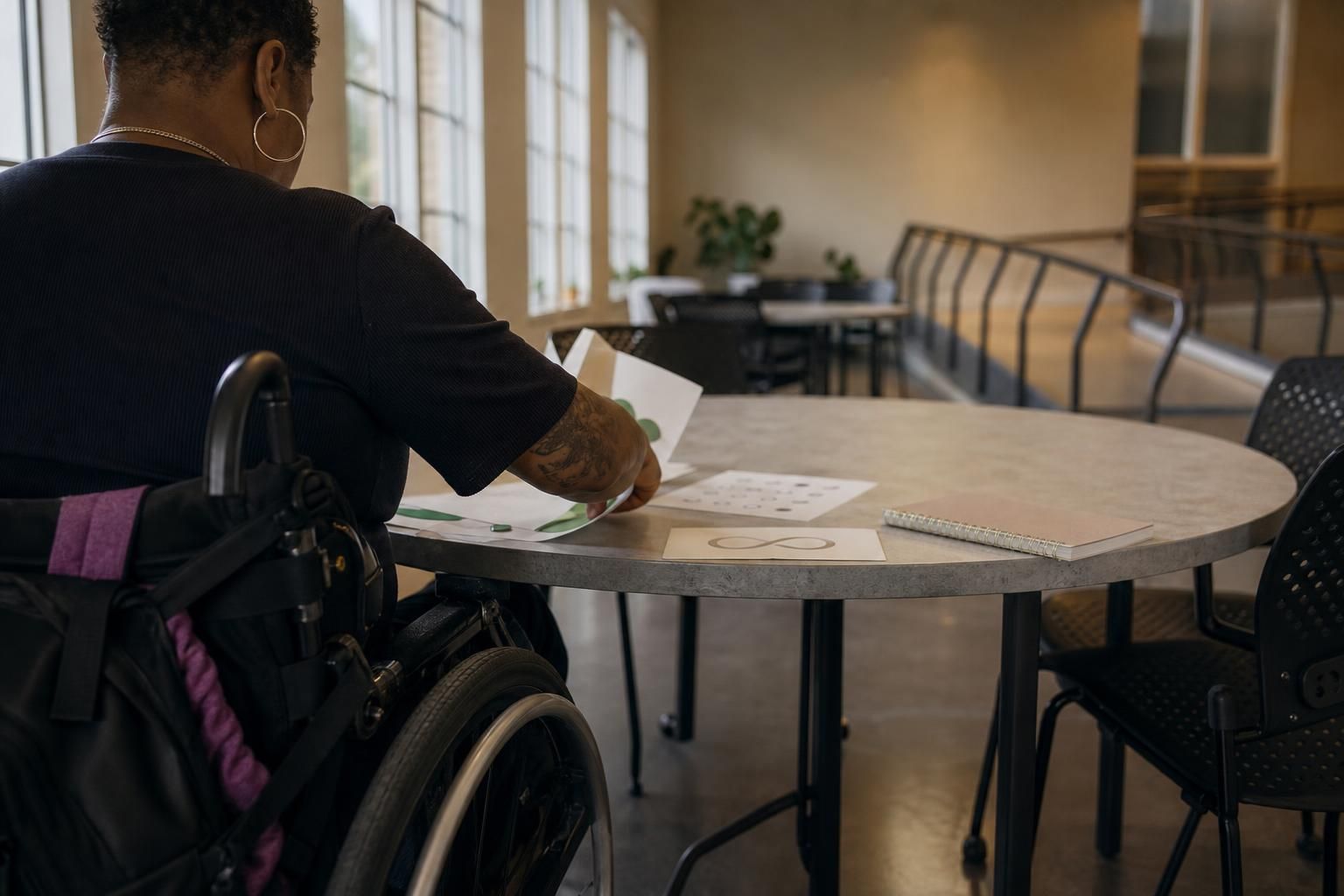
Employee struggling with unclear instructions in an office 

What is neurodiversity training for employers?

Neurodiversity training for employers is workplace learning that helps organisations support neurodivergent staff fairly and effectively. It explains how different ways of thinking and processing can affect work, and it shows employers how to reduce barriers through communication, adjustments, and inclusive management.

Who the neurodiversity training for employers is for

Neurodiversity training for employers is relevant to anyone who shapes the employee experience. That includes senior leaders, HR teams, line managers, recruitment staff, team leaders, and workplace wellbeing leads.

It is also useful for organisations that already have some awareness but still see repeated problems. For example, they may notice misunderstandings in meetings, difficulty retaining staff, or uncertainty about adjustments. In those cases, training helps teams understand what is happening and what to do next.

This training is especially valuable where roles involve high communication demands, fast task switching, or rigid performance systems. However, it is not just for large organisations. Small and medium employers often benefit quickly because even simple changes can make a major difference.

Neurodiversity training for employers also supports organisations that want to improve culture, not just compliance. If leaders want to move from ad hoc support to a more consistent approach, training gives them a common language and a shared process. It can also sit alongside neurodiversity consulting for inclusive organisations when a team needs more detailed review.

To get started, it helps to think about who makes decisions in your workplace. Those people need the training first. When managers understand how environment and process affect staff, they are better prepared to act early and prevent barriers from escalating.

AISee’s approach is suitable for employers, service providers, and community organisations across the UK. It is also useful for teams that want training linked to expertise, experience, and active learning, rather than passive awareness sessions.

Common workplace barriers for neurodivergent employees

Neurodivergent employees often face barriers that look like individual difficulties but are actually workplace design issues. Neurodiversity training for employers helps identify those barriers early.

Common examples include unclear instructions, last-minute changes, noisy environments, inconsistent expectations, and meetings that rely on rapid verbal processing. Job adverts can also create barriers when they overstate social requirements or use vague language that does not reflect the role.

Performance systems can be another problem. For instance, a worker may seem “disorganised” when they actually need clearer priorities, written follow-up, or more predictable task sequencing. Likewise, attendance or punctuality concerns may be linked to medication routines, sensory overload, commuting difficulties, or executive functioning strain.

Communication is often central. Some employees need information in writing. Others need more time to process. Some may find open-ended questions difficult, while others struggle with figurative language or unspoken expectations. Neurodiversity training for employers helps managers understand these patterns without making assumptions.

It is also important to recognise that many neurodivergent people have overlapping needs. Autism, ADHD, dyslexia, dyspraxia, and other differences may affect the same person in different ways. Therefore, one-size-fits-all support does not work.

AISee’s why neurodiversity is important in work, health, and care resource explains why these barriers matter across systems. In addition, our reasonable adjustments support page shows how practical changes can reduce these barriers in daily working life.

The key point is simple. Many workplace difficulties improve when employers change the environment, the process, or the communication method. That is why neurodiversity training for employers should focus on barrier reduction, not blame.

What AISee’s neurodiversity training for employers covers

AISee’s neurodiversity training for employers is practical, rights-based, and designed around real workplace situations. It gives employers a clear understanding of neurodivergence and the confidence to respond appropriately.

The training can cover awareness, but it goes further. It shows how to translate understanding into action. That includes adjustments, inclusive communication, better management practice, and approaches that support both staff and the organisation.

We can also shape the content around your sector, staffing model, or known barriers. For example, a care service may need support with shift communication and sensory demands, while an office-based team may need help with meetings, email overload, and task prioritisation. In both cases, the principle is the same: change the environment so people can succeed.

AISee’s service offer includes advocacy, guidance, and expertise, which means the training is grounded in real support work. That lived and professional perspective helps employers understand what actually helps people at work.

Our training can also be part of a wider organisational response. Where needed, we can combine learning with assessment of need, workplace review, and follow-up recommendations. That makes the training more than a one-off event.

The result is a more confident organisation. Managers know how to start supportive conversations. Teams understand how to respond to difference. Staff see that adjustments are handled fairly and consistently. In commercial terms, that supports retention, trust, and better working relationships.

The sections below show how the training breaks down in practice.

Autism, ADHD, dyslexia, dyspraxia and overlapping needs

Neurodiversity training for employers should explain that neurodivergence is not one condition and not one experience. Autism, ADHD, dyslexia, dyspraxia, and overlapping needs can affect communication, organisation, processing, movement, and sensory regulation in different ways. Good training avoids stereotypes and focuses on functional impact at work.

Communication, sensory needs and executive functioning

Employers need to understand how communication style, sensory environment, and executive functioning affect everyday work. Clear written instructions, predictable routines, quieter spaces, and realistic deadlines can reduce stress and improve performance. Neurodiversity training for employers should make those adjustments feel normal, not exceptional.

Reasonable adjustments and inclusive management

Reasonable adjustments work best when managers know how to ask, record, and review them properly. Training should show how to make support consistent, lawful, and person-centred. It should also help leaders manage fairly without expecting neurodivergent staff to mask, overexplain, or solve barriers alone.

What kind of training is available for neurodiversity in the workplace?

The right format depends on your team, your goals, and your current level of understanding. Neurodiversity training for employers can be delivered as a short masterclass, a practical workshop, or a tailored programme with follow-up support.

A masterclass works well when leaders need a focused introduction. It is useful for boards, HR groups, and management teams that need a shared baseline. A workshop allows more interaction. It is better when you want discussion, scenario work, and practical planning.

A tailored programme suits organisations with more complex needs. For example, you may want support after staff feedback, a policy review, or a workplace assessment. In that case, training can be combined with organisational advice and implementation planning.

Some employers also ask for accredited learning or CPD-aligned sessions. AISee can discuss that as part of the consultation process, depending on your needs and audience. The key is to match the format to the outcome you want.

If you want a broader organisational review, you may also benefit from barrier-reduction planning and co-produced solutions. If you want a staff-facing version, see our neurodiversity training for employees page for a complementary approach.

In short, the best training is not the longest. It is the one that fits your workplace and leads to action. That is why neurodiversity training for employers should always include a clear plan for what happens next.

Outcomes of neurodiversity training for employers

Neurodiversity training for employers should leave people clearer, calmer, and better able to act. The main outcome is not information alone. It is a workplace that works more fairly.

For employers, that often means stronger manager confidence, more consistent adjustment practice, and better communication across teams. It can also help reduce avoidable misunderstandings. When staff know what support exists, they are more likely to ask early rather than wait until problems grow.

For employees, the outcome is often practical relief. They may experience less masking pressure, clearer expectations, and a better chance of staying in work. That matters because inclusion is not only about recruitment. It is also about retention, progression, and wellbeing.

Neurodiversity training for employers can also improve organisational reputation. Clients, partners, and employees notice when a workplace takes inclusion seriously and backs it up with action.

AISee’s training supports those outcomes because it is linked to inclusive co-production with neurodivergent people, not for them. That matters when employers want more than a surface-level awareness session.

If you want a useful external reference point, Neurodiversity Hub offers neurodiversity resources for employers, while Autistica’s workplace neurodiversity training and consultancy page shows how employer support often needs both learning and implementation.

Ultimately, good training helps employers move from intention to practice. That is where workplace inclusion becomes real.

How to book a consultation for neurodiversity training for employers

The easiest way to begin is with a short conversation about your goals and current challenges. Neurodiversity training for employers should start with what your team needs, not with a fixed package.

AISee can help you identify whether you need a one-off workshop, a masterclass, a staff development session, or a wider consultancy process. We can also advise if you need training alongside assessment, reasonable adjustment support, or organisational review.

A consultation is useful when you want the training to reflect your workplace reality. That may include recruitment issues, line management challenges, staff retention concerns, or barriers raised by neurodivergent employees. The more specific the brief, the more useful the training becomes.

If you are ready to explore options, you can book a call or send an enquiry. You can also start by reviewing our broader AISee Collaborative services if you want to understand how training sits alongside advocacy and consultation.

The most effective neurodiversity training for employers is tailored, grounded, and practical. It should help your organisation reduce barriers with confidence and respect.

Key Takeaways

  • Neurodiversity training for employers should reduce barriers, not just raise awareness.
  • The most useful training is rights-based, practical, and informed by lived experience.
  • Employers need training that covers communication, sensory needs, executive functioning, and reasonable adjustments.
  • Different formats work for different needs, including workshops, masterclasses, and tailored programmes.
  • AISee’s approach connects training with advocacy, assessment, and barrier-reduction planning.

Frequently Asked Questions

What kind of training is available for neurodiversity in the workplace?

There are several options, including short awareness sessions, practical workshops, tailored consultancy, and longer development programmes. The best choice depends on whether your organisation needs a basic introduction, manager skills, policy support, or help applying adjustments in real situations. Neurodiversity training for employers works best when it includes practical examples and follow-up actions.

How can employers promote neurodiversity in the workplace?

Employers can promote neurodiversity by making communication clearer, offering reasonable adjustments, reviewing recruitment and management practices, and creating a culture where people can ask for support without stigma. Neurodiversity training for employers helps leaders understand how to do that consistently. It also supports better decision-making across the whole employee journey.

How is Jennifer Aniston neurodivergent?

This is not a workplace training question, and employers should be careful not to use celebrity speculation as evidence. Neurodiversity training for employers should focus on real employee needs, not public assumptions about any individual’s diagnosis or identity. Good practice is based on disclosure, consent, and support needs at work.

How to become a certified neurodiversity professional?

Certification routes vary by provider, sector, and country. If you want to develop expertise, look for training that covers disability rights, reasonable adjustments, inclusive communication, and lived experience, then check whether the course offers accredited or CPD recognition. For employers, however, the priority is not the title alone. The priority is choosing neurodiversity training for employers that leads to real workplace change.

Recent Posts

Why Is Neurodiversity Important in Education, Work, Health, and Care?
By AISee Collaborative August 13, 2026
Why is autism, ADHD and neurodiversity important? Because it changes how we understand people, not just how we support them. Neurodiversity recognises that brains, learning styles, communication needs, and processing patterns vary naturally across the population. That matters in schools, workplaces, health services, and social care because exclusion often starts when systems expect one “right” way to think or behave. A more inclusive approach reduces harm, improves access, and supports better…

Co-production Neurodiversity: How to Design Better Services With People, Not For Them
By AISee Collaborative August 12, 2026
Inclusive neurodivergent Co-production is a practical way to build services that work in real life. It means neurodivergent people help shape decisions, language, access, and delivery from the outset, rather than being asked for feedback after the main choices are already made. That difference matters in public-sector settings, where a service can look inclusive on paper but still fail in practice. For AISee Collaborative, co-production connects directly to advocacy, assessment of need…

Education Advocacy for Neurodivergent Learners and Families
By AISee Collaborative August 11, 2026
Education advocacy neurodiversity is about making sure learners are understood, heard, and supported in real school settings. For many families, the challenge is not just getting a meeting. It is getting the right information, the right people at the table, and a plan that actually works after everyone leaves the room. That is where structured advocacy matters. It helps with school communication, support planning, exclusion risk, attendance concerns, and the practical steps that turn concern…

Why Neurodivergent-Led Advocacy Matters
By AISee Collaborative August 5, 2026
Neurodivergent led advocacy is advocacy shaped by lived experience, not just theory. That matters because people do not only need information; they need support that understands how systems feel from the inside. When advocacy is led by neurodivergent people, it is more likely to respect communication differences, sensory needs, executive functioning barriers, and the reality of power imbalance. It can also reduce the risk of being misunderstood, dismissed, or pushed into one-size-fits-all…

Reasonable Adjustments Support for Education, Work, Health, and Care
By AISee Collaborative August 4, 2026
Reasonable adjustments support helps people move from uncertainty to action. If you know a barrier exists, but you are not sure what change is needed, this service-led approach can help identify the issue, shape the request, and turn it into something practical. At AISee Collaborative, reasonable adjustments support is person-centred, rights-based, and focused on outcomes that work in real settings. That may mean help for an individual, a family, a school, an employer, or a health or…

Reasonable Adjustments Meaning: What They Are and How to Ask for Support
By AISee Collaborative August 2, 2026
If you are searching for reasonable adjustments, you probably want a plain-English answer, not legal jargon. In simple terms, reasonable adjustments are changes that help remove barriers caused by disability, neurodivergence, or a health condition. They can be small, practical, and highly effective. For example, that might mean a quieter appointment room, clear written instructions, more time, or a different way to communicate. The point is not to give someone special treatment. The point is…

Neurodiversity Training for Employees: Building Safer, More Inclusive Workplaces
By AISee Collaborative July 30, 2026
Neurodiversity training for employees is not just about awareness. It is about giving teams the language, confidence, and practical habits they need to work well with difference. When organisations understand neurodiversity, they are better placed to reduce misunderstandings, support wellbeing, and make adjustments before small issues become complaints or formal disputes. For employers, the value is clear. Neurodiversity training for employees can improve communication, clarify expectations…
Daily living skills assessment checklist on a desk
July 29, 2026
Discover how the AISee Daily Living Skills Assessment identifies practical assets and needs across 68 categories to support neurodivergent individuals and families.
Neurodiversity Training for Teachers: What Effective Training Should Include
By AISee Collaborative July 29, 2026
Neurodiversity training for teachers should do more than raise awareness. It should help educators make better everyday decisions about communication, classroom routines, behaviour, access, and belonging. When training is practical and neuroaffirming, staff are more confident about supporting students without relying on assumptions or stereotypes. That matters because inclusive teaching is built in small moments: how instructions are given, how transitions are handled, and how needs are…
How to Support Neurodiverse Students: A Practical Guide for Inclusive Classrooms
By AISee Collaborative July 27, 2026
Understanding how to support neurodiverse students starts with a simple shift: stop asking students to fit the classroom, and start shaping the classroom around real needs. Neurodiverse learners are not a problem to fix. They are learners who may process information, communication, movement, sensory input, or social expectations differently. That difference needs practical support, not assumptions. This guide from AISee Collaborative focuses on what educators can do in everyday practice. It…
Show More