Why Neurodivergent-Led Advocacy Matters

AISee Collaborative • August 5, 2026

Share this article

Neurodivergent led advocacy is advocacy shaped by lived experience, not just theory. That matters because people do not only need information; they need support that understands how systems feel from the inside. When advocacy is led by neurodivergent people, it is more likely to respect communication differences, sensory needs, executive functioning barriers, and the reality of power imbalance. It can also reduce the risk of being misunderstood, dismissed, or pushed into one-size-fits-all solutions. At AISee Collaborative, this approach sits at the heart of how we work across advocacy support, consultation, reasonable adjustments, and co-produced problem solving. In this article, we explain what neurodivergent led advocacy means, why it changes the advocacy relationship, and what safer, more trustworthy support should feel like. We also look at how this approach helps organisations move beyond awareness into genuine inclusion, and why lived experience is not a bonus feature. It is often the difference between support that looks good on paper and support that actually works.

What does neurodivergent led advocacy mean?

Neurodivergent led advocacy means advocacy that is informed, shaped, or directly delivered by people who are neurodivergent themselves. In practice, it centres lived experience alongside rights, access, and practical problem solving. That makes it different from generic support that relies only on policy knowledge or good intentions.

At its simplest, neurodivergent led advocacy asks a clear question: who is best placed to understand the barriers being faced? Often, the answer is the person who has lived those barriers. That is why neurodivergent led advocacy is so closely linked to self-advocacy, disability rights, and person-centred practice. It does not replace professional skill. Instead, it strengthens it with insight that cannot be learned from a handbook alone.

This matters in education, healthcare, employment, family systems, and social care. A support plan can look reasonable on paper and still fail in real life. Neurodivergent led advocacy helps identify those gaps early. It also supports clearer communication, more realistic adjustments, and decisions that reflect actual need.

If you want a broader service overview, AISee Collaborative explains our approach across training, advocacy, support, and human rights solutions. For practical change, our solutionising and co-production work focuses on barriers reduction and outcomes that people can use.

For a useful evidence base, the article on Autistic Self-Advocacy and the Neurodiversity Movement shows how self-advocacy sits within a wider rights-based movement. Likewise, About ASAN describes advocacy as a civil rights issue, not just a service issue.

Neurodivergent led advocacy is also about language. People are not problems to be managed. They are individuals with rights, preferences, and expertise about their own lives. That shift changes the whole relationship.

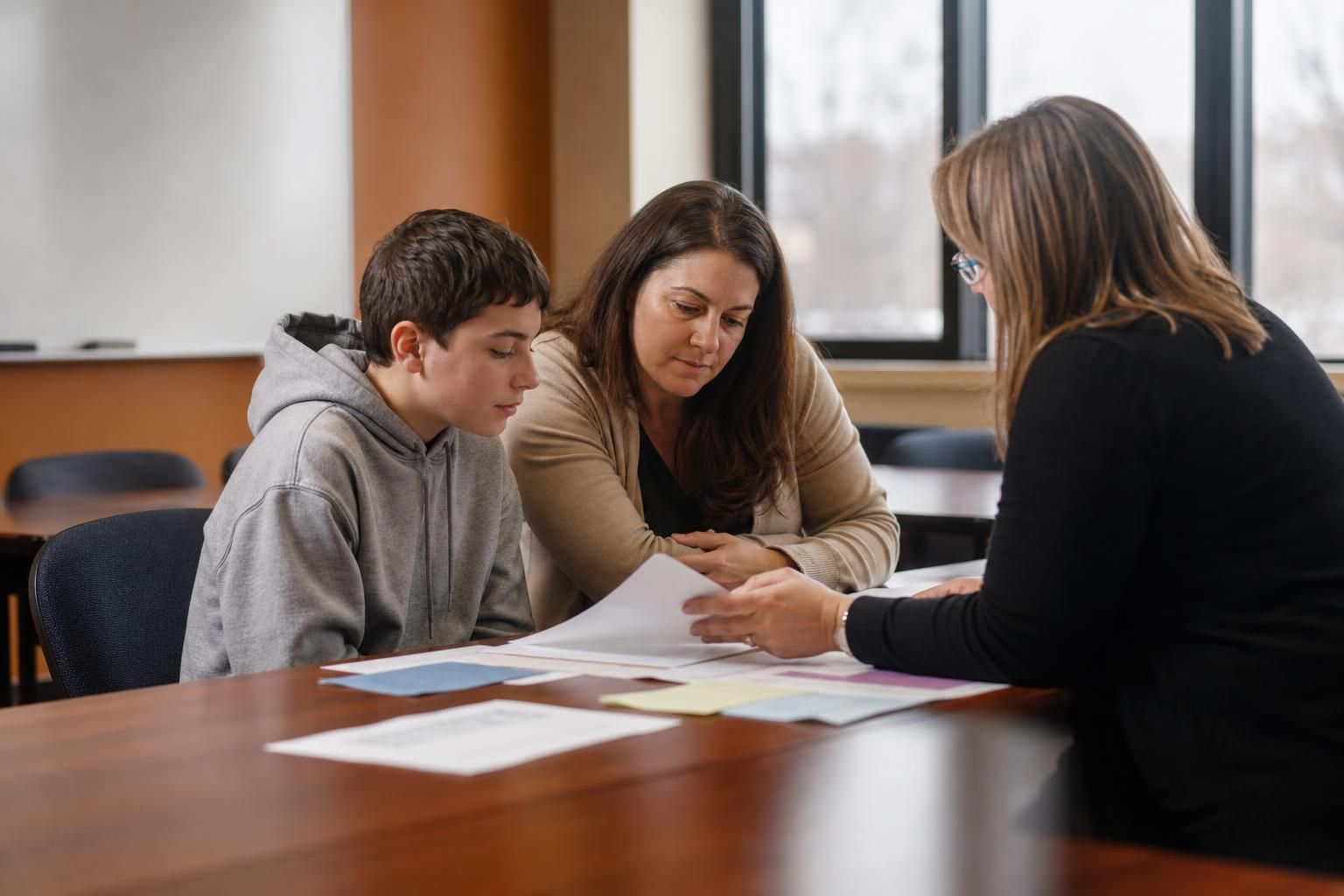
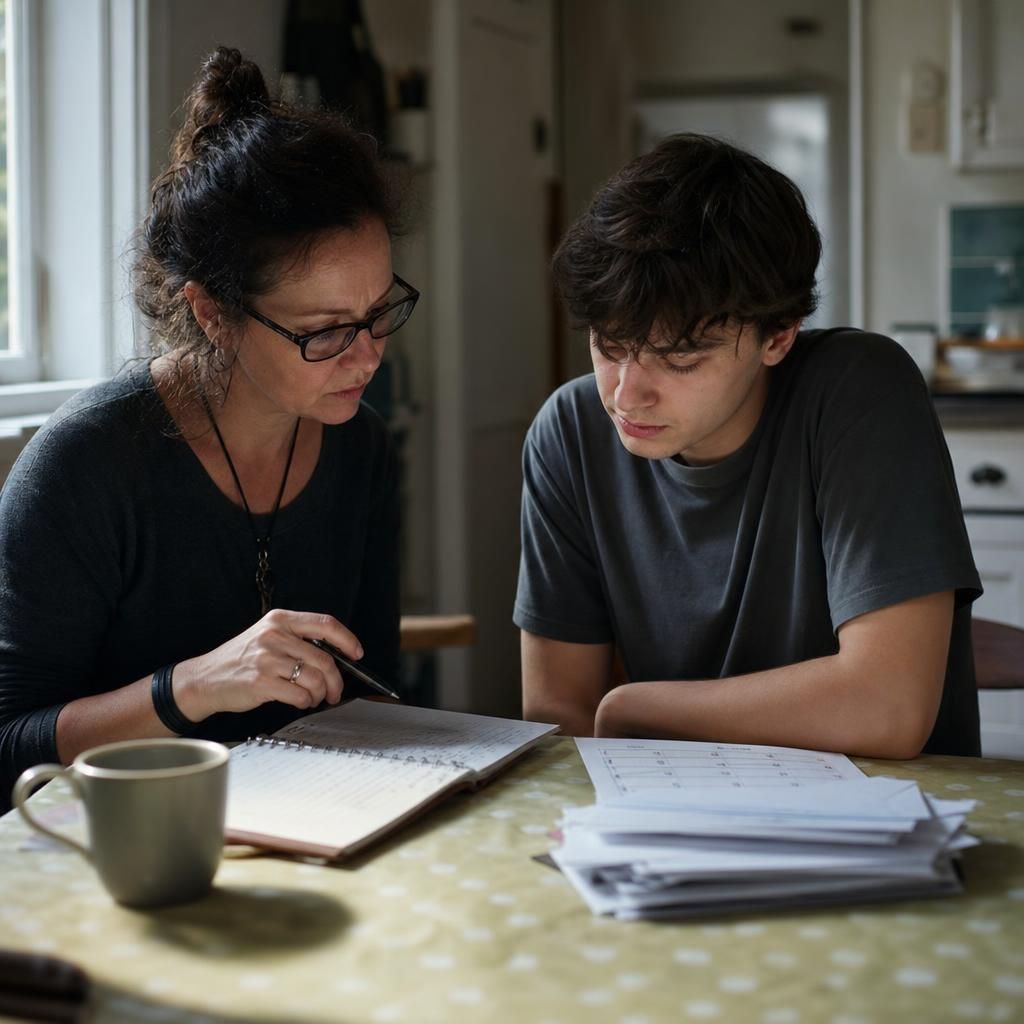
Advocate and young adult reviewing notes at kitchen table 

How is neurodivergent led advocacy different from generic advocacy?

Generic advocacy may understand process, but neurodivergent led advocacy understands impact. It recognises that a meeting can be too long, a form can be inaccessible, or a “simple” instruction can be overwhelming.

That difference matters because systems often reward compliance over clarity. Neurodivergent led advocacy notices when a process is technically correct but practically harmful. It also helps turn vague frustration into specific action.

What is neurodiversity advocacy?

Neurodiversity advocacy is work that supports the rights, access, dignity, and inclusion of neurodivergent people. It can include self-advocacy, peer support, consultation, campaigning, and organisational change.

In a service context, it should always move beyond awareness. Good neurodiversity advocacy changes decisions, environments, and assumptions.

Why neurodivergent led advocacy changes the advocacy relationship

Neurodivergent led advocacy changes the relationship because it reduces the distance between support and lived reality. It creates a more accurate starting point. As a result, the person receiving support is less likely to spend energy explaining invisible barriers before anything useful can happen.

This is especially important where there is a history of being misread. Many neurodivergent people have had to mask, over-prepare, or prove need repeatedly. That is exhausting. Neurodivergent led advocacy can interrupt that pattern by making lived experience credible from the start.

It also changes trust. People are often more open when they feel understood without having to justify every detail. That can lead to better disclosure, better planning, and more meaningful consent. In other words, neurodivergent led advocacy is not just kind. It is strategically better.

The same principle appears in education and planning conversations. For example, this discussion on how to support neurodiverse students shows why responses must reflect the student’s real experience, not just the school’s preferred process. Similarly, neurodiversity consulting for inclusive organisations helps teams identify where policy and practice have drifted apart.

For a practical example of neurodivergent voices in action, the video below gives a concise introduction to why self-advocates should shape the conversation.

Neurodivergent led advocacy also supports better boundaries. A practitioner with lived experience is often better placed to recognise when a “support need” is actually a systems problem. That can prevent people from being blamed for barriers they did not create. It also helps organisations move from asking, “What is wrong with this person?” to asking, “What needs to change here?”

That question shift is powerful. It is where trust begins.

Why lived experience matters in complex cases

Complex cases often involve overlapping barriers. These may include sensory overload, communication mismatch, anxiety around uncertainty, or a long history of not being believed.

Lived experience helps advocacy respond to the whole picture. Therefore, support becomes more precise and less reactive.

Avoiding tokenism and assumptions in neurodivergent led advocacy

Neurodivergent led advocacy should not be used as a label without substance. Tokenism happens when organisations say they value lived experience, but only invite it into the room after decisions are already made. That is not co-production. It is decoration.

A more serious risk is assumption. Some providers assume that one neurodivergent person can represent everyone, or that a diagnosis automatically explains every need. Both approaches flatten difference. Neurodivergent people are not a single voice, and support should never be built on stereotypes.

Good practice keeps questioning simple and respectful. What does this person say they need? What has not worked before? What would make this process safer? These questions are central to neurodivergent led advocacy because they replace guesswork with accountability.

Tokenism is also visible in language. If someone is invited to share lived experience but not allowed to influence decisions, the invitation is hollow. Likewise, if adjustments are offered only after a crisis, the organisation is still treating access as an afterthought.

AISee Collaborative addresses this through person-centred and rights-based approaches such as holistic assessment of need and reasonable adjustments support. Those services help organisations and individuals move from reactive fixes to better design.

If you work with teams, our education and training work also helps staff understand why access should be built in from the start. That matters because inclusion cannot rely on goodwill alone.

Neurodivergent led advocacy is strongest when it is paired with humility. Practitioners should be willing to learn, pause, and adjust course. That posture builds trust. It also prevents the subtle harm that comes from assuming expertise without listening.

How do you spot tokenism?

Tokenism often sounds impressive but changes little. You may see lived experience quoted in a presentation, yet no changes in policy, process, or environment.

Real neurodivergent led advocacy leaves evidence in outcomes. It changes decisions, not just narratives.

Co-production, choice, and control in neurodivergent led advocacy

Co-production is one of the clearest signs of genuine neurodivergent led advocacy. It means people help shape the support, not just receive it after the fact. Choice and control are central, because people know more about their own lives than any external system can.

This approach works best when options are explained clearly and without pressure. Many neurodivergent people need extra time, written follow-up, or a different format to process decisions. Co-production should accommodate that reality. Otherwise, it becomes performative.

In practical terms, co-production can mean agreeing priorities together, mapping barriers, exploring what has already been tried, and building plans that account for energy, communication style, and environment. It can also mean checking whether a suggested adjustment is sustainable in real life, not just acceptable in theory.

That is why AISee Collaborative places co-production at the centre of its solution design work. It is also why our contact page is the right place to start if you want a conversation about advocacy, consultations, or support planning.

Neurodivergent led advocacy also links to human rights. Choice is not a luxury. It is a safeguard. When people can shape the support they receive, they are more likely to stay engaged, use the support, and feel safe enough to be honest about what is not working.

For families, carers, and professionals, this can feel like a shift in pace. That is often a good thing. Faster is not always better. Safer and more accurate usually are.

What should co-production look like in practice?

It should include early involvement, accessible communication, and a real role in shaping outcomes.

If the person can only respond to a finished plan, the process is consultation. It is not true co-production.

What good neurodivergent led advocacy should feel like

Good neurodivergent led advocacy should feel clarifying, not confusing. It should reduce pressure, not add it. Most importantly, it should help the person feel more in control of their next step.

People often describe effective advocacy as calm, respectful, and specific. The advocate listens without rushing. They notice when language is too vague. They translate systems into plain terms. They also stay focused on the person’s goals, rather than the provider’s convenience.

It should also feel safe. That means no shaming, no forcing disclosure, and no treating overwhelm as non-compliance. A good advocate knows that regulation, time, and trust affect what a person can communicate. Neurodivergent led advocacy understands that silence may be processing, not refusal.

This applies across settings. In school, it may mean helping a student be heard in planning meetings. In work, it may mean supporting a reasonable adjustments conversation. In health or social care, it may mean making sure the person’s lived experience is not dismissed as anxiety, stubbornness, or poor communication.

For managers and teams, the practical lesson is simple. If support makes a person feel more confused, more exposed, or more blamed, it is probably not good advocacy. Neurodivergent led advocacy should leave people better understood than before.

For more on workforce and practice change, see reasonable adjustments meaning and how to ask for support. It connects naturally with advocacy because access usually starts with honest conversation.

A useful video for this stage is the conversation below, which explores autism advocacy, IEPs, and empowering neurodivergent voices in planning.

How does good advocacy affect outcomes?

It usually improves clarity, reduces conflict, and makes next steps more realistic.

When people are understood properly, they can participate more effectively. That is a practical outcome, not just an emotional one.

When should you seek neurodivergent led support?

You should seek neurodivergent led advocacy when systems keep missing the point. That often happens during assessments, adjustments discussions, complaints, transitions, or any situation where communication has broken down.

It is also useful when someone feels they are doing all the explaining alone. If a person has to repeat the same story, justify basic needs, or fight to be believed, support can make a real difference.

Families and carers may also seek neurodivergent led advocacy when they need help navigating education, care, or healthcare systems. Organisations often use it when they want to improve inclusion, build safer processes, or design services with neurodivergent people instead of for them.

This is where AISee Collaborative can help through representation and advocacy guidance, as well as training and consultation. We also support practical redesign through technology partnerships and resources that make access easier.

If you are unsure whether the issue is advocacy, adjustment, assessment, or organisational design, that uncertainty itself is a sign to ask for help. Neurodivergent led advocacy can help sort the problem into clear parts. Then it becomes easier to act.

The right support does not need a crisis to justify it. Often, early support prevents escalation. That is one reason neurodivergent led advocacy is so valuable across education, employment, care, and community settings.

In rights-based work, timing matters. The sooner barriers are named, the more options remain open. That is true for individuals and for organisations.

Can neurodivergent people be leaders?

Yes. Neurodivergent people can be excellent leaders, advocates, and decision-makers.

Leadership does not require neurotypical communication styles. In fact, neurodivergent leadership often brings clarity, creativity, persistence, and a stronger instinct for fairness.

Speak to AISee Collaborative

Neurodivergent led advocacy is not a branding phrase at AISee Collaborative. It is a working principle that shapes how we listen, assess, advise, and co-design support. We believe lived experience should inform the process from the beginning, not be added at the end.

If you need person-centred advocacy, rights-based support, consultation, or help identifying what is getting in the way, we can work with you. We also support organisations that want to reduce barriers and build safer, more inclusive practice. That may include reasonable adjustments guidance, inclusive solution design, or training for teams.

If you want support that respects experience and practical reality, start with a conversation. You can contact AISee Collaborative here. If you prefer to explore services first, our main site offers a clear overview of how we work.

Neurodivergent led advocacy matters because people deserve support that understands them. It also matters because systems improve when they stop treating lived experience as optional. At AISee Collaborative, we see that as the foundation of safer, more trustworthy advocacy.

Key Takeaways

  • Neurodivergent led advocacy centres lived experience, not just policy knowledge.
  • It improves trust, accuracy, and safety because it reduces guesswork and power imbalance.
  • Co-production and choice are core to meaningful advocacy, not optional extras.
  • Tokenism happens when lived experience is used for appearance rather than decision-making.
  • AISee Collaborative uses neurodivergent led advocacy to support people, families, and organisations with practical, rights-based change.

Some FAQs?

What is neurodiversity advocacy?

Neurodiversity advocacy is support that protects the rights, access, and dignity of neurodivergent people. It can include self-advocacy, representation, consultation, and organisational change. In practice, neurodivergent led advocacy is often the strongest form because it starts with lived experience and turns that experience into clearer, fairer action.

Who are some famous autistic advocates?

Some well-known autistic advocates include people who have spoken publicly about rights, access, and autistic self-advocacy, such as those associated with the autistic self-advocacy movement. A useful starting point is the wider history of autistic advocacy in sources like the Autistic Self Advocacy Network and research on autistic self-advocacy movements.

Can neurodivergent people be leaders?

Yes, absolutely. Neurodivergent people can lead effectively in advocacy, education, workplaces, community groups, and public service. Neurodivergent led advocacy often strengthens leadership because it brings lived insight, directness, and a better understanding of how barriers affect real people.

What should good advocacy feel like?

Good advocacy should feel clear, respectful, and safe. It should reduce confusion, help a person understand their options, and make it easier to act. If support feels rushed, shaming, or generic, it is probably missing the person-centred standard that neurodivergent led advocacy should provide.

Recent Posts

Reasonable Adjustments Support for Education, Work, Health, and Care
By AISee Collaborative August 4, 2026
Reasonable adjustments support helps people move from uncertainty to action. If you know a barrier exists, but you are not sure what change is needed, this service-led approach can help identify the issue, shape the request, and turn it into something practical. At AISee Collaborative, reasonable adjustments support is person-centred, rights-based, and focused on outcomes that work in real settings. That may mean help for an individual, a family, a school, an employer, or a health or…
Reasonable Adjustments Meaning: What They Are and How to Ask for Support
By AISee Collaborative August 2, 2026
If you are searching for reasonable adjustments, you probably want a plain-English answer, not legal jargon. In simple terms, reasonable adjustments are changes that help remove barriers caused by disability, neurodivergence, or a health condition. They can be small, practical, and highly effective. For example, that might mean a quieter appointment room, clear written instructions, more time, or a different way to communicate. The point is not to give someone special treatment. The point is…
Neurodiversity Training for Employees: Building Safer, More Inclusive Workplaces
By AISee Collaborative July 30, 2026
Neurodiversity training for employees is not just about awareness. It is about giving teams the language, confidence, and practical habits they need to work well with difference. When organisations understand neurodiversity, they are better placed to reduce misunderstandings, support wellbeing, and make adjustments before small issues become complaints or formal disputes. For employers, the value is clear. Neurodiversity training for employees can improve communication, clarify expectations…
Daily living skills assessment checklist on a desk
July 29, 2026
Discover how the AISee Daily Living Skills Assessment identifies practical assets and needs across 68 categories to support neurodivergent individuals and families.
Neurodiversity Training for Teachers: What Effective Training Should Include
By AISee Collaborative July 29, 2026
Neurodiversity training for teachers should do more than raise awareness. It should help educators make better everyday decisions about communication, classroom routines, behaviour, access, and belonging. When training is practical and neuroaffirming, staff are more confident about supporting students without relying on assumptions or stereotypes. That matters because inclusive teaching is built in small moments: how instructions are given, how transitions are handled, and how needs are…
How to Support Neurodiverse Students: A Practical Guide for Inclusive Classrooms
By AISee Collaborative July 27, 2026
Understanding how to support neurodiverse students starts with a simple shift: stop asking students to fit the classroom, and start shaping the classroom around real needs. Neurodiverse learners are not a problem to fix. They are learners who may process information, communication, movement, sensory input, or social expectations differently. That difference needs practical support, not assumptions. This guide from AISee Collaborative focuses on what educators can do in everyday practice. It…
Digital cognitive support tool for neurodivergent individuals.
July 26, 2026
Discover how cognitive technology and the AISee-Abilia partnership support Autism and ADHD through evidence-based digital assistive tools and solutions.
Diverse group of people collaborating on neurodiversity solutions.
July 25, 2026
Discover how the AISee Pathway supports families, individuals, and practitioners through Advocating, Identifying, Solutionising, Educating, and Empowering collaboration.
A neurodivergent child engaging in a supportive and inclusive educational environment.
July 17, 2026
AISee Collaborative proposes a 24-month study to transform early support for neurodivergent children and young people. Discover our neurodivergent-led research plan and solutions.
Diverse team collaborating in a modern inclusive office environment.
July 17, 2026
Explore neurodifference in employment through AISee's neurodivergent-led lens. Learn about domains, communication styles, and ITOL accredited training for HR and managers.
Show More