



5 Ways Advocacy Improves Informed Choices and celebrating International Advocacy Practitioners Associations World Advocacy Week, Monday 21st to Sunday 27th September 2026

September 20, 2026

Share this article

Advocacy in the AISee Approach means helping people express their experiences, understand their options and influence decisions that affect their lives. It combines lived experience, respectful challenge and practical collaboration so individuals, families and professionals can improve practice and make informed choices about individuals and the decision impacts of the lives of the said individuals, their families and their partnering professionals where applicable. At AISee we have a focus on Autism, ADHD, and their associated co-occuring conditions.

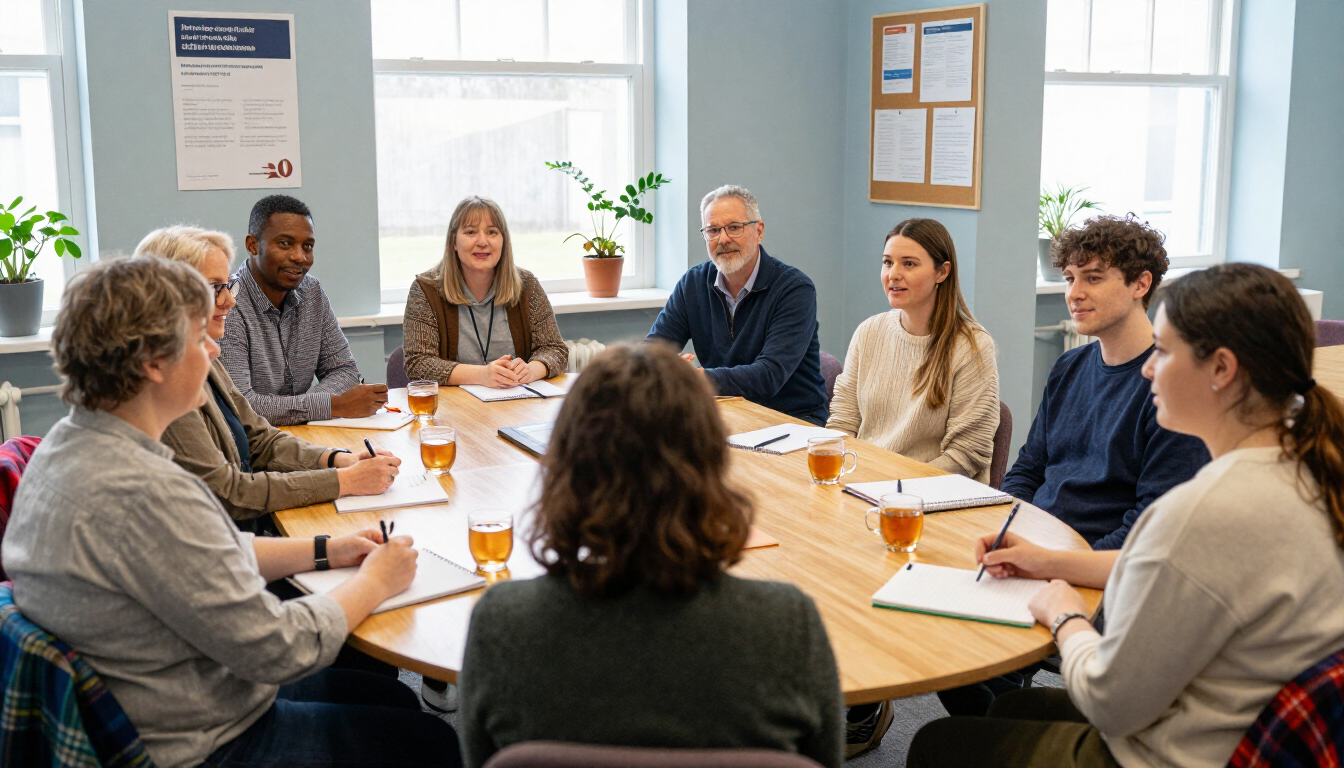
Advocacy meeting empowering neurodivergent voices

What does advocacy mean in the AISee Approach?

Advocacy is more than speaking on someone’s behalf. It is a process of listening, identifying barriers, clarifying information and supporting people to communicate what matters to them. Where appropriate, it also means challenging assumptions, questioning ineffective systems and helping decision-makers understand the consequences of their choices enhancing inclusive and informed partnership decision making.

The AISee Approach places person-centered advocacy within a wider cycle:

  • Advocating: empowering people to express their views and rights.
  • Identifying: recognising needs, strengths, barriers and opportunities.
  • Solutionising: developing practical responses with the people affected.
  • Educating: sharing accessible information that supports understanding.
  • Empowering: increasing confidence, choice and participation.
  • Collaborating: bringing different perspectives together for better outcomes.

This approach is particularly valuable in our work associated to autism, ADHD, Learning Disabilities, where people can be misunderstood, excluded from decisions or expected to adapt without suitable support. Advocacy helps shift the focus from “what is wrong with this person?” to “what needs to change so this person can participate and thrive?”

Why is advocacy important for neurodivergent people?

Neurodivergent people may encounter barriers across education, healthcare, mental health services, employment and public life. These barriers can include inaccessible communication, assumptions about capacity, inconsistent support, long waiting times or decisions made without meaningful involvement.

Effective advocacy helps by making the person’s perspective visible and relevant. It can support someone to:

  • Explain their communication preferences, strengths and support needs.
  • Prepare for meetings, assessments or significant decisions.
  • Ask questions and understand professional recommendations.
  • Challenge inaccurate records, unsuitable adjustments or unfair treatment.
  • Identify achievable next steps rather than feeling overwhelmed by a system.

Advocacy does not remove a person’s autonomy. Its purpose is to strengthen self-advocacy wherever possible, while providing additional support when someone wants or needs it. This distinction matters: empowerment is not making decisions for people; it is helping them participate in decisions with clarity and confidence.

How does the AISee Approach empower voices?

Empowering voices starts with listening without rushing to interpret, correct or categorise. A person’s experience is evidence. It may reveal a service gap, an unrecognised need or a more effective way of working.

The process can include:

  1. Listening to lived experience: creating space for the person’s priorities, concerns and goals.
  2. Making information accessible: using plain language, visual supports, written follow-up or alternative communication methods.
  3. Checking understanding: ensuring that people know what has been discussed and what choices are available.
  4. Supporting participation: helping individuals contribute before, during and after decisions.
  5. Turning insight into action: agreeing who will do what, by when and how progress will be reviewed.

This is useful for individuals and families, but also for practitioners and organisations. When services listen systematically, recurring experiences can identify patterns and guide improvement. The result is advocacy that supports both personal outcomes and wider change.

For a practical introduction to AISee’s values, explore Advocating and Empowering .

What does advocacy improve in professional practice?

Advocacy can improve practice by connecting policy, professional knowledge and lived experience. Professionals work under pressure, with a high volume of individual case loads, with unfortunately on ocassions incomplete information and competing responsibilities. A person-centred advocacy process helps ensure that decisions reflect the whole situation rather than one assessment, incident or administrative target.

It can improve practice in five ways:

  • Better communication: people receive information in ways they can use.
  • More accurate understanding: professionals hear context, not just presenting behaviour.
  • Stronger relationships: trust grows when people feel listened to and taken seriously.
  • Earlier problem-solving: concerns are addressed before they become crises.
  • More accountable decisions: actions and rationales are clearer to everyone involved.

Advocacy should not be treated as an adversarial activity. Constructive challenge can be respectful and evidence-informed. Asking “what has been tried?”, “whose perspective is missing?” or “how will we know this is working?” can help a team improve without assigning blame.

The AISee Approach encourages professionals to consider not only whether a service is available, but whether it is understandable, accessible and genuinely usable. This is an important difference between offering support and achieving better outcomes.

How can advocacy inform better choices?

Informed choice requires more than being given several options. People need relevant information, time to process it, a way to ask questions and freedom from pressure. Advocacy supports these conditions by helping people understand both the opportunities and limitations of each option.

A useful informed-choice conversation should clarify:

  • What decision needs to be made?
  • What options are available, including choosing to wait or decline?
  • What are the likely benefits, risks and practical consequences?
  • What support or adjustments would make participation easier?
  • Who can provide further information or independent advice?
  • When will the decision be reviewed?

This approach is relevant to a child’s education plan, an adult’s employment support, a health appointment, a mental health intervention or a service redesign project. The details differ, but the principle remains the same: decisions are stronger when people understand them and can influence them.

AISee’s Identifying and Solutionising work can help move from uncertainty to practical next steps. The aim is not to promise a perfect answer. It is to create a transparent process for reaching the most informed and workable answer available.

Collaborative planning session with accessible notes

Advocacy as a route to improving systems

Individual advocacy can reveal issues that affect many people. If several families report confusing referral pathways, or practitioners identify the same gap in training, those experiences can inform service development and policy discussions.

System-level advocacy may involve:

  • Gathering anonymised experiences and identifying recurring themes.
  • Reviewing whether policies work in practice, not only on paper.
  • Sharing recommendations with service leaders or decision-makers.
  • Designing information with the communities expected to use it.
  • Measuring whether changes improve access, understanding and outcomes.

Good system advocacy avoids presenting people as problems to be fixed. Instead, it examines structures, environments and processes. It asks whether expectations, communication styles or service models are creating unnecessary barriers.

This is why collaboration is central. Practitioners contribute professional expertise; families contribute context; individuals contribute lived experience; organisations contribute resources and influence. Combining these perspectives can produce solutions that are more realistic, respectful and sustainable.

Read more through Collaborating or review AISee’s Informed Solutions for Better Outcomes Summary Report for related learning.

What can individuals and organisations do next?

Advocacy becomes meaningful when it leads to action. Individuals, families and professionals can begin with small, specific steps rather than waiting for a complete solution.

Individuals and families can:

  • Write down priorities before important meetings.
  • Request information in a preferred format.
  • Ask what happens next and when.
  • Keep a record of agreed actions.
  • Seek support from an advocate when communication or decision-making feels difficult.

Professionals and organisations can:

  • Build lived experience into planning from the start.
  • Offer multiple ways to communicate and contribute.
  • Check whether people understand choices and consequences.
  • Treat challenge as useful feedback.
  • Review outcomes with the people affected.

AISee’s Talk to an Advocate page offers a route to explore advocacy support. Organisations may also find Educating and Test for Change useful when developing learning or improvement activity.

Inclusive group discussion focused on better outcomes

Key takeaways

Advocacy in the AISee Approach connects voice, information and action. It helps people communicate what matters, supports professionals to improve practice and gives organisations clearer insight into the barriers affecting outcomes. It is especially valuable when decisions are complex, systems are difficult to navigate or a person’s experience has not been fully understood.

The next step is to identify where advocacy could make the greatest difference: an upcoming decision, an inaccessible process, a repeated service problem or a missed opportunity to collaborate. Listen first, make information usable, agree practical actions and review what changes. That is how empowering voices can lead to improving practice and informing choices.

Turning collaborative learning into professional standards and training.

Inclusive group discussion focused on better outcomes

Beyond AISee Collaborative, a recognised advocacy and training centre, the team has been working with fellow pracitioners in the co-creation of the framework of an international advocacy practice manual. This coming week will see AISee launch range of 46 training modules in non-legal advocacy which lead to dual accreditation at different levels at:


  •  Introduction to Advocacy
  • Peer Advocacy
  • Certificate of Advocacy Practice
  • Diploma in Professional Advocacy


Each of the modules will reflect a component part of the framework and the for the coming manual.


More information will be available in the coming weeks.

Recent Posts

By thom Kirkwood August 21, 2026
Long waits. Fragmented pathways. Families and practitioners doing their best with systems that weren't built to move fast. It's a familiar picture for anyone connected to neurodevelopmental and mental health support for children and young people - and it's the problem the heart of this new research proposal from AISee Collaborative Limited.
Rights based advocacy: What It Means and How It Protects Disabled and Neurodivergent People
By AISee Collaborative August 19, 2026
Rights based advocacy is about more than speaking up. It is a practical way to help disabled and neurodivergent people access their rights, challenge barriers, and be included in decisions that affect their lives. In the UK, that can mean support with a school meeting, a care review, a workplace adjustment, a complaint, or a benefits or service decision. It can also mean helping someone feel heard when professionals move too fast or use confusing language. At AISee Collaborative, rights based…

Neurodiversity Training for Employers: Practical Workplace Inclusion That Reduces Barriers
By AISee Collaborative August 14, 2026
Neurodiversity training for employers is most effective when it goes beyond awareness and leads to real workplace change. It should help managers, HR teams, and leaders understand how barriers appear in everyday tasks, meetings, recruitment, communication, and performance processes. It should also show what reasonable adjustments look like in practice, so inclusion becomes part of normal working life rather than an afterthought. That is the approach AISee Collaborative brings to rights-based…

Why Is Neurodiversity Important in Education, Work, Health, and Care?
By AISee Collaborative August 13, 2026
Why is autism, ADHD and neurodiversity important? Because it changes how we understand people, not just how we support them. Neurodiversity recognises that brains, learning styles, communication needs, and processing patterns vary naturally across the population. That matters in schools, workplaces, health services, and social care because exclusion often starts when systems expect one “right” way to think or behave. A more inclusive approach reduces harm, improves access, and supports better…

Co-production Neurodiversity: How to Design Better Services With People, Not For Them
By AISee Collaborative August 12, 2026
Inclusive neurodivergent Co-production is a practical way to build services that work in real life. It means neurodivergent people help shape decisions, language, access, and delivery from the outset, rather than being asked for feedback after the main choices are already made. That difference matters in public-sector settings, where a service can look inclusive on paper but still fail in practice. For AISee Collaborative, co-production connects directly to advocacy, assessment of need…
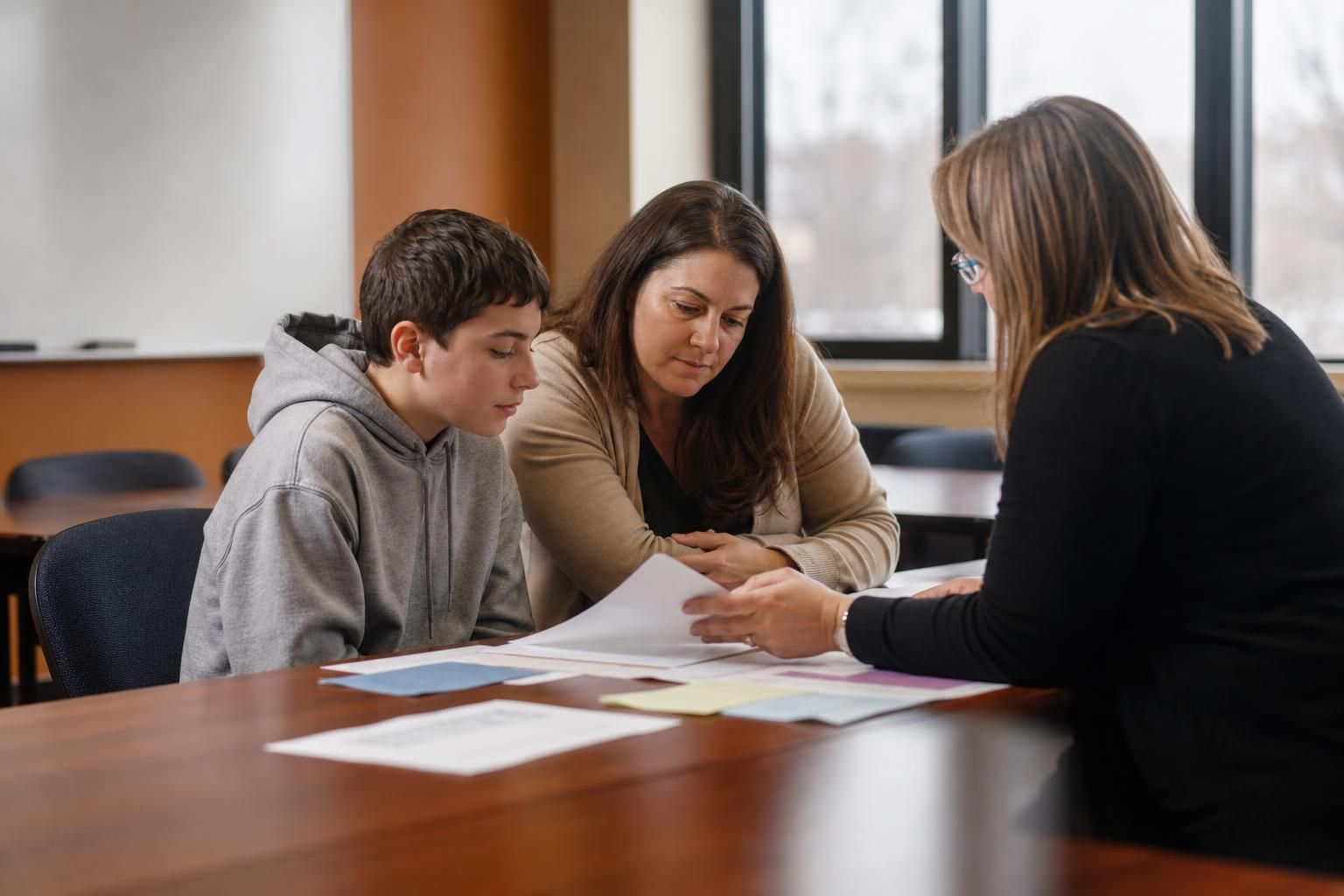
Education Advocacy for Neurodivergent Learners and Families
By AISee Collaborative August 11, 2026
Education advocacy neurodiversity is about making sure learners are understood, heard, and supported in real school settings. For many families, the challenge is not just getting a meeting. It is getting the right information, the right people at the table, and a plan that actually works after everyone leaves the room. That is where structured advocacy matters. It helps with school communication, support planning, exclusion risk, attendance concerns, and the practical steps that turn concern…

Why Neurodivergent-Led Advocacy Matters
By AISee Collaborative August 5, 2026
Neurodivergent led advocacy is advocacy shaped by lived experience, not just theory. That matters because people do not only need information; they need support that understands how systems feel from the inside. When advocacy is led by neurodivergent people, it is more likely to respect communication differences, sensory needs, executive functioning barriers, and the reality of power imbalance. It can also reduce the risk of being misunderstood, dismissed, or pushed into one-size-fits-all…

Reasonable Adjustments Support for Education, Work, Health, and Care
By AISee Collaborative August 4, 2026
Reasonable adjustments support helps people move from uncertainty to action. If you know a barrier exists, but you are not sure what change is needed, this service-led approach can help identify the issue, shape the request, and turn it into something practical. At AISee Collaborative, reasonable adjustments support is person-centred, rights-based, and focused on outcomes that work in real settings. That may mean help for an individual, a family, a school, an employer, or a health or…

Reasonable Adjustments Meaning: What They Are and How to Ask for Support
By AISee Collaborative August 2, 2026
If you are searching for reasonable adjustments, you probably want a plain-English answer, not legal jargon. In simple terms, reasonable adjustments are changes that help remove barriers caused by disability, neurodivergence, or a health condition. They can be small, practical, and highly effective. For example, that might mean a quieter appointment room, clear written instructions, more time, or a different way to communicate. The point is not to give someone special treatment. The point is…
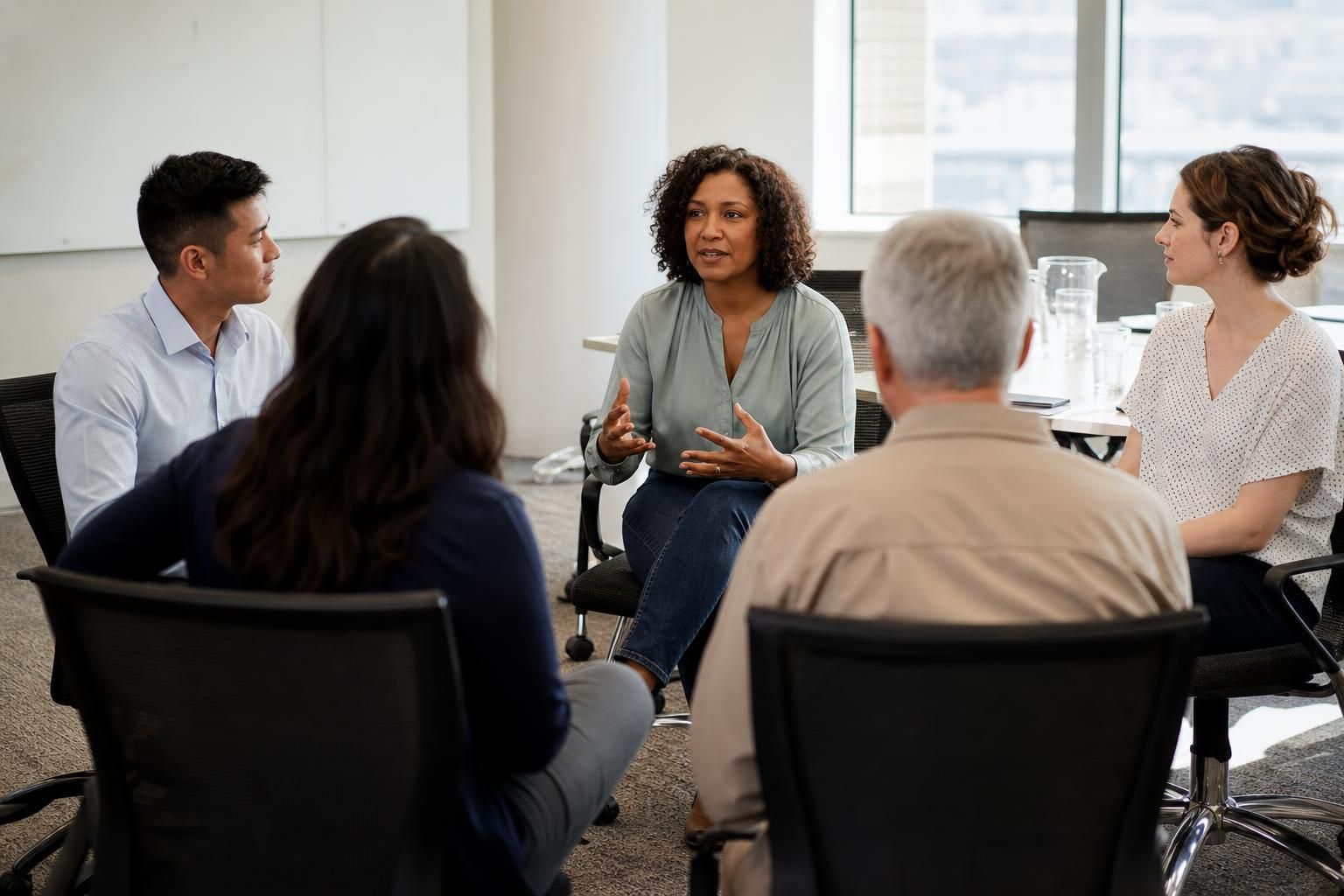
Neurodiversity Training for Employees: Building Safer, More Inclusive Workplaces
By AISee Collaborative July 30, 2026
Neurodiversity training for employees is not just about awareness. It is about giving teams the language, confidence, and practical habits they need to work well with difference. When organisations understand neurodiversity, they are better placed to reduce misunderstandings, support wellbeing, and make adjustments before small issues become complaints or formal disputes. For employers, the value is clear. Neurodiversity training for employees can improve communication, clarify expectations…
Show More