Discover how advocacy in the AISee Approach empowers voices, improves practice and supports informed choices across neurodiversity services and communities.

Long waits. Fragmented pathways. Families and practitioners doing their best with systems that weren't built to move fast. It's a familiar picture for anyone connected to neurodevelopmental and mental health support for children and young people - and it's the problem the heart of this new research proposal from AISee Collaborative Limited.
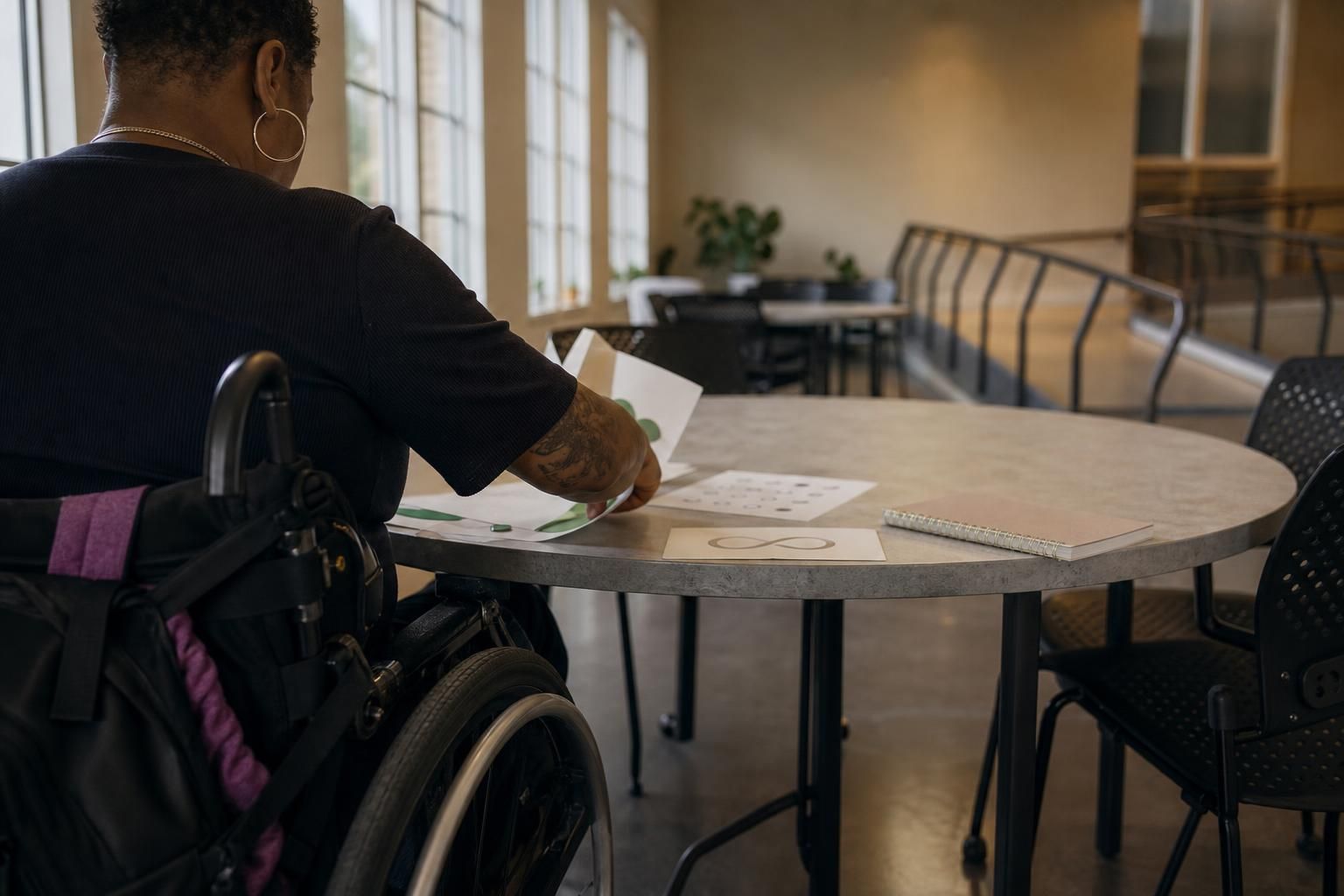
Rights based advocacy is about more than speaking up. It is a practical way to help disabled and neurodivergent people access their rights, challenge barriers, and be included in decisions that affect their lives. In the UK, that can mean support with a school meeting, a care review, a workplace adjustment, a complaint, or a benefits or service decision. It can also mean helping someone feel heard when professionals move too fast or use confusing language. At AISee Collaborative, rights based…

Neurodiversity training for employers is most effective when it goes beyond awareness and leads to real workplace change. It should help managers, HR teams, and leaders understand how barriers appear in everyday tasks, meetings, recruitment, communication, and performance processes. It should also show what reasonable adjustments look like in practice, so inclusion becomes part of normal working life rather than an afterthought. That is the approach AISee Collaborative brings to rights-based…

Why is autism, ADHD and neurodiversity important? Because it changes how we understand people, not just how we support them. Neurodiversity recognises that brains, learning styles, communication needs, and processing patterns vary naturally across the population. That matters in schools, workplaces, health services, and social care because exclusion often starts when systems expect one “right” way to think or behave. A more inclusive approach reduces harm, improves access, and supports better…
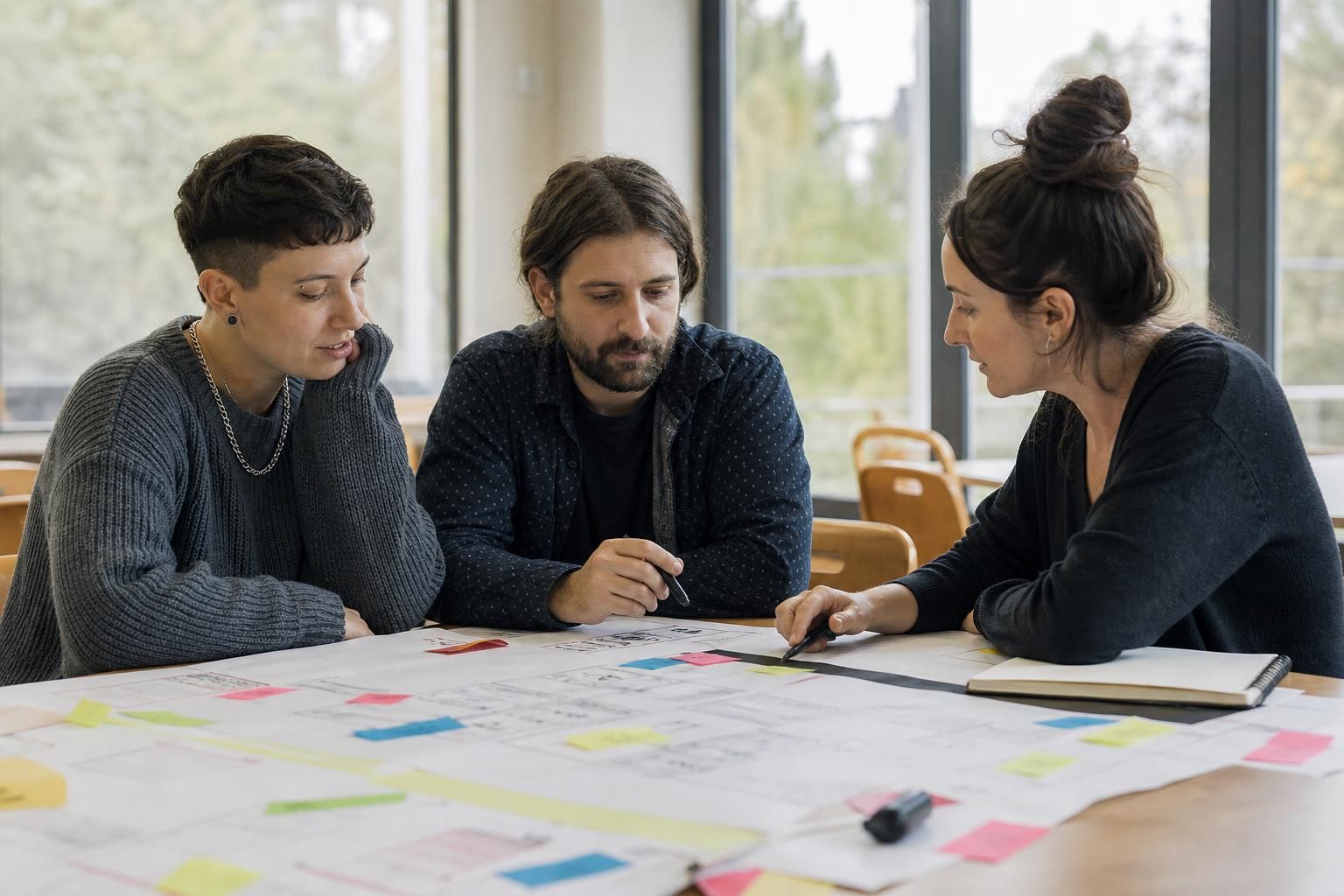
Inclusive neurodivergent Co-production is a practical way to build services that work in real life. It means neurodivergent people help shape decisions, language, access, and delivery from the outset, rather than being asked for feedback after the main choices are already made. That difference matters in public-sector settings, where a service can look inclusive on paper but still fail in practice. For AISee Collaborative, co-production connects directly to advocacy, assessment of need…
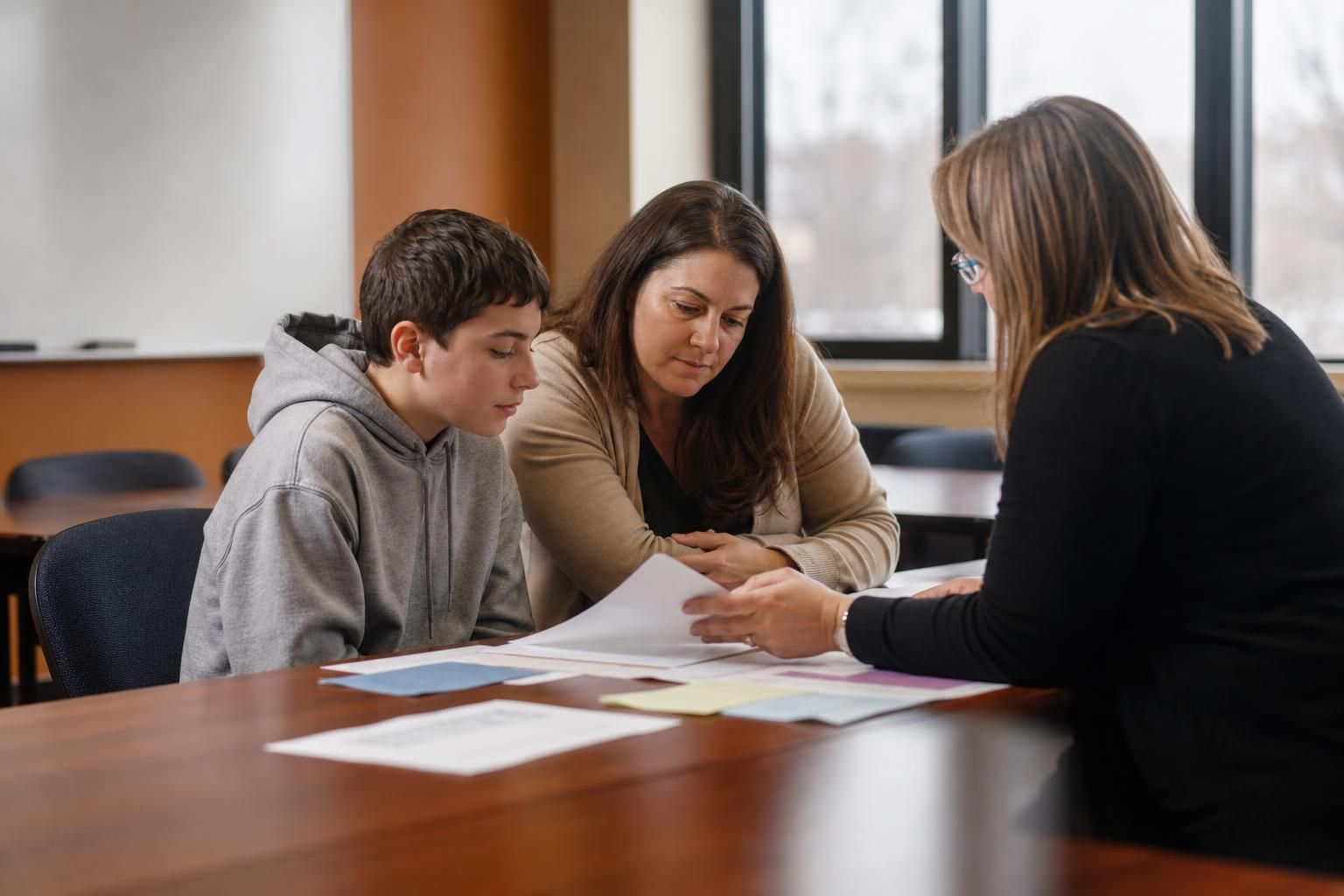
Education advocacy neurodiversity is about making sure learners are understood, heard, and supported in real school settings. For many families, the challenge is not just getting a meeting. It is getting the right information, the right people at the table, and a plan that actually works after everyone leaves the room. That is where structured advocacy matters. It helps with school communication, support planning, exclusion risk, attendance concerns, and the practical steps that turn concern…
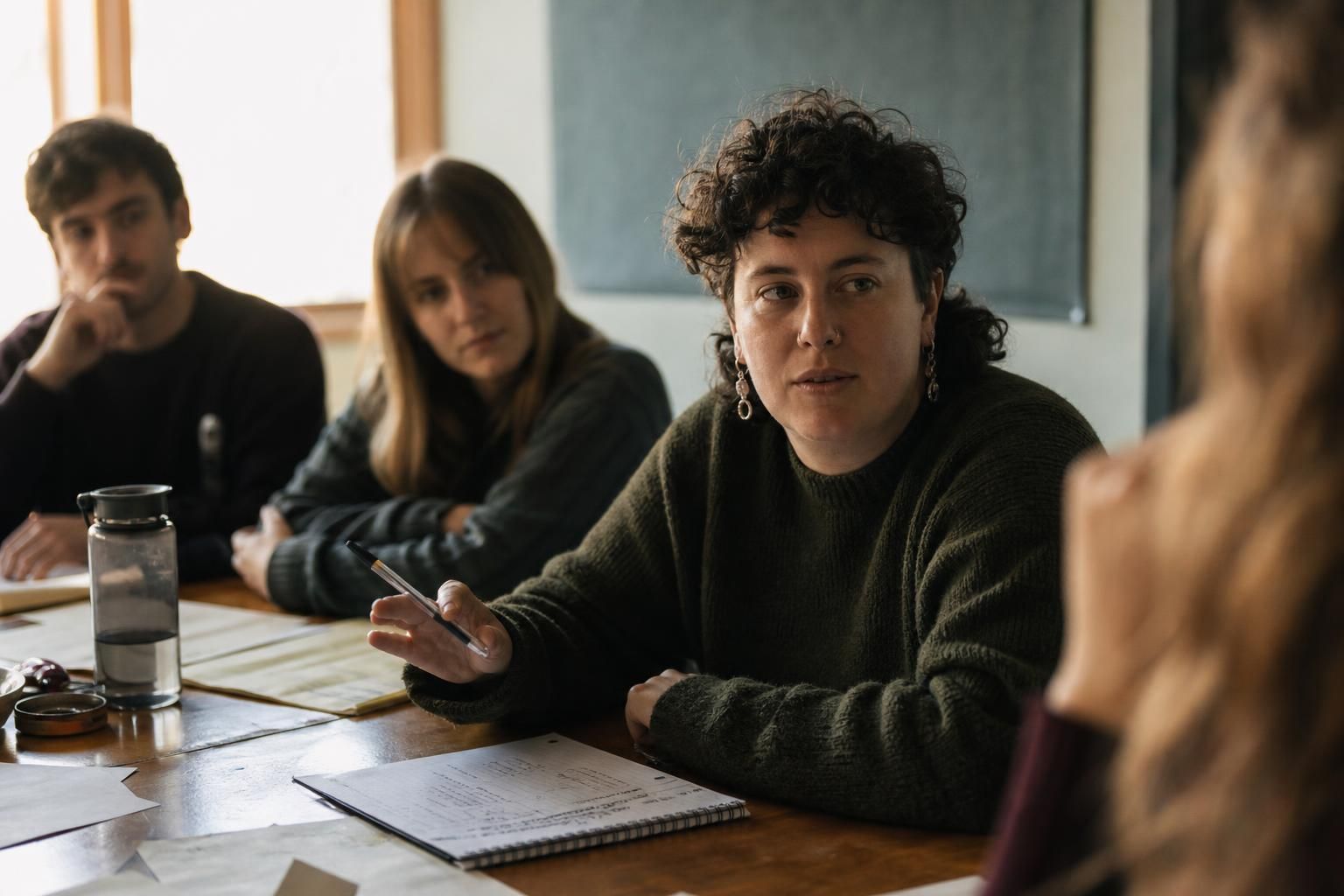
Neurodivergent led advocacy is advocacy shaped by lived experience, not just theory. That matters because people do not only need information; they need support that understands how systems feel from the inside. When advocacy is led by neurodivergent people, it is more likely to respect communication differences, sensory needs, executive functioning barriers, and the reality of power imbalance. It can also reduce the risk of being misunderstood, dismissed, or pushed into one-size-fits-all…

Reasonable adjustments support helps people move from uncertainty to action. If you know a barrier exists, but you are not sure what change is needed, this service-led approach can help identify the issue, shape the request, and turn it into something practical. At AISee Collaborative, reasonable adjustments support is person-centred, rights-based, and focused on outcomes that work in real settings. That may mean help for an individual, a family, a school, an employer, or a health or…
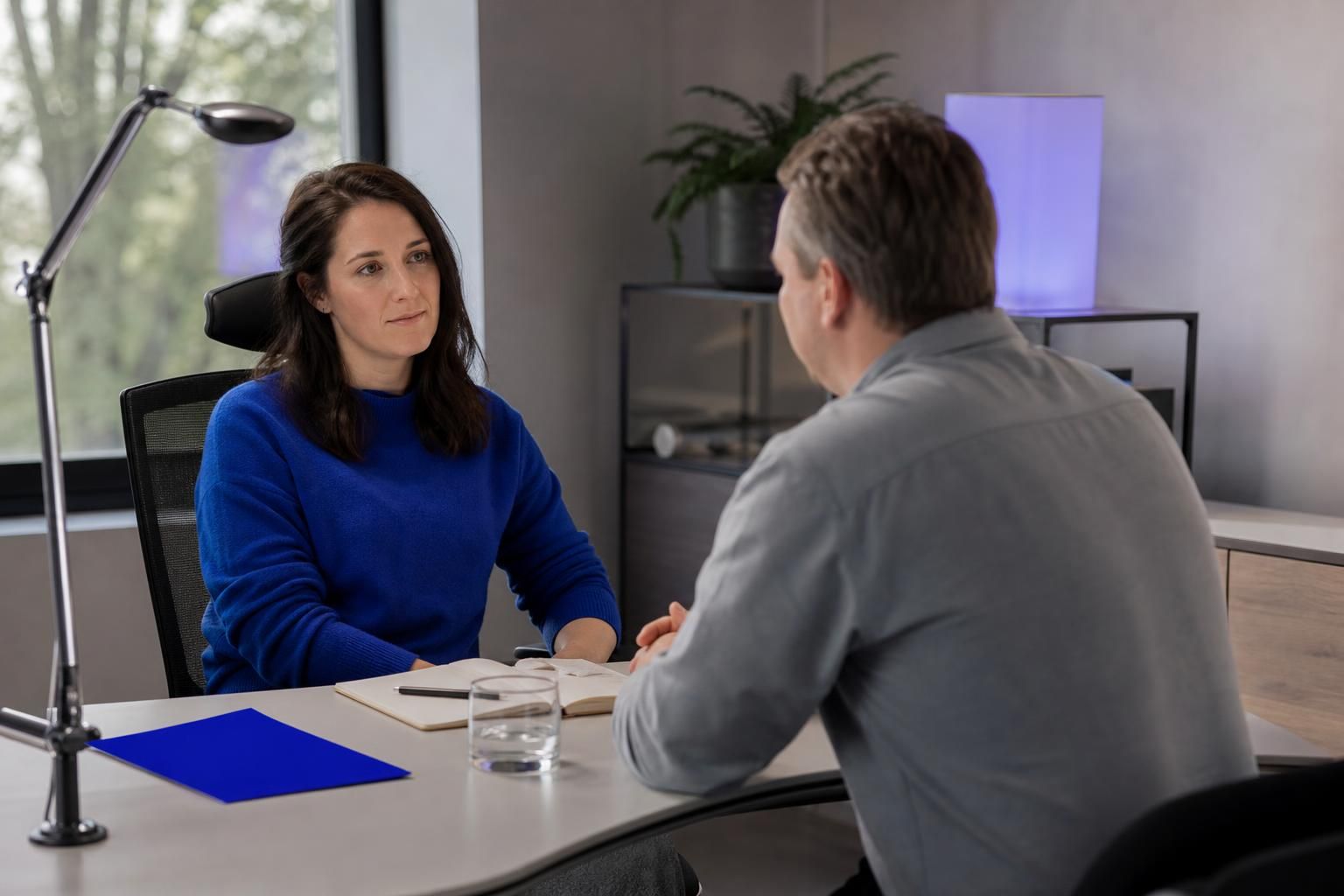
If you are searching for reasonable adjustments, you probably want a plain-English answer, not legal jargon. In simple terms, reasonable adjustments are changes that help remove barriers caused by disability, neurodivergence, or a health condition. They can be small, practical, and highly effective. For example, that might mean a quieter appointment room, clear written instructions, more time, or a different way to communicate. The point is not to give someone special treatment. The point is…