


Neurodifference in Employment: 2026 Management Guide

July 17, 2026

Share this article

Neurodifference in employment refers to the natural variation in human brain function regarding sociability, learning, attention, and mood within the workplace. Embracing these differences allows organizations to leverage unique cognitive strengths, foster innovation, and create inclusive environments where neurodivergent individuals can thrive through tailored support and advocacy.

What is Neurodifference in Employment?

Neurodifference is an umbrella term that recognizes the diverse ways human brains process information. In a professional context, this includes conditions such as Autism, ADHD, Dyslexia, Dyspraxia, and Dyscalculia. Rather than viewing these as deficits, a modern employment strategy treats them as cognitive variations that offer distinct advantages, such as exceptional pattern recognition, creative problem-solving, or high-level technical expertise.

Understanding neurodifference in employment requires moving beyond simple medical labels. It involves recognizing how physical environments, social norms, and standard operating procedures can inadvertently create barriers for neurodivergent staff. By identifying these barriers, employers can implement informed solutions for better outcomes that benefit the entire workforce, not just those with specific diagnoses.

The Core Domains of Neurodiversity

When we discuss neurodifference, we often categorize cognitive processing into several key domains. Understanding these helps managers and HR professionals provide more targeted support:

  • Information Processing: How quickly and accurately data is interpreted.
  • Cognitive Flexibility: The ability to switch between different tasks or concepts.
  • Sensory Processing: Sensitivity to light, sound, and textures in the office.
  • Social Communication: How individuals interpret verbal and non-verbal cues.
  • Executive Functioning: Skills related to planning, organization, and time management.

By focusing on these domains, leadership teams can move away from "one-size-fits-all" management and toward a more nuanced, individualized approach. This shift is at the heart of what we do at AISee Collaborative Limited, where we focus on identifying the specific needs of your team to ensure every mind has the space to excel.

Inclusive Collaboration

How can communication styles vary in neurodiverse teams?

One of the most significant areas where neurodifference in employment manifests is through communication. Neurodivergent individuals may have distinct language styles that differ from the "neurotypical" norm. For example, some may prefer direct, literal communication, while others might find subtext and social nuances challenging to navigate.

Misunderstandings often arise when these styles clash. A manager might interpret a direct request as being blunt or rude, while the employee is simply being efficient and clear. Conversely, vague instructions like "get this to me soon" can cause significant anxiety for someone who thrives on specific deadlines and clear parameters.

To bridge this gap, organizations must foster a culture of "meeting of minds." This means recognizing that there is no "correct" way to communicate, only more or less effective ways for a specific pair of individuals. Encouraging employees to share their "user manual"—a short guide on how they best receive and give information—can dramatically lower barriers to productivity.

Strategic Workplace Adjustments

Supporting neurodifference in employment often involves low-cost, high-impact environmental and procedural changes. These are not just "favours" but essential tools for professional equity. Key adjustments include:

  1. Providing noise-canceling headphones for open-plan offices.
  2. Offering written summaries following verbal meetings.
  3. Allowing for flexible working hours to accommodate peak focus times.
  4. Implementing clear, structured agendas for all team interactions.
  5. Creating "quiet zones" where sensory input is kept to a minimum.

When managers actively work on solutionising these environmental challenges, they reduce the cognitive load on their neurodivergent staff. This allows those employees to redirect their energy toward high-value tasks, increasing overall ROI for the business.

Leading with a Neurodivergent Perspective

At AISee Collaborative, we believe that the best solutions come from those with lived experience. As a neurodivergent-led organization, we understand the nuances of neurodifference in employment from the inside out. Our approach is built on five pillars: Advocating, Identifying, Solutionising, Education, and Empowering with Collaboration.

This perspective is vital because it shifts the narrative from "compliance" to "empowerment." When a Director or Manager views neurodiversity through the lens of empowering their staff, the culture changes from one of accommodation to one of genuine inclusion. This leads to higher retention rates, improved morale, and a more robust pipeline of diverse talent.

Training and Growth

Why is ITOL Accredited training essential for your organisation?

To truly integrate an understanding of neurodifference in employment, professional development is key. While many organizations offer basic "awareness" training, AISee Collaborative Limited provides ITOL (Institute of Training and Occupational Learning) accredited courses. This accreditation ensures that the training meets high professional standards and provides tangible, actionable skills for HR professionals, mentors, and team leads.

Our educating programs go beyond the surface. We dive into practical management strategies that can be implemented immediately. For employability professionals and guidance teachers, this training is invaluable for preparing neurodivergent individuals for the transition into the workforce or higher education.

Benefits of Accredited Neurodiversity Training

Investing in ITOL accredited training offers several strategic advantages for modern businesses:

  • Standardized Excellence: Ensures all leadership levels have a consistent understanding of neurodiversity.
  • Risk Mitigation: Reduces the likelihood of discrimination claims through informed management.
  • Talent Attraction: Positions your brand as an employer of choice for diverse talent.
  • Improved Productivity: Equips managers with tools to unlock the potential of all brain types.

By engaging with our collaborating efforts, you gain access to a network of experts dedicated to lowering barriers. Whether you are a corporate giant or an individual seeking to understand your own neurodifference better, our training provides the roadmap for success.

Partnering with AISee for Better Outcomes

AISee Collaborative Limited is more than just advocacy, assessment, training or consultancy; we are a partner in your inclusion journey. Our work in Scotland and across the UK has shown that when organizations commit to advocating for their neurodivergent staff, the ripple effects are felt throughout the entire company culture.

We provide bespoke solutions ranging from corporate strategy overviews to partnering your team leads. Our mission is to facilitate a meeting of minds, ensuring that the unique brilliance of neurodivergent individuals isn't lost to outdated employment practices. If you're ready to transform your approach to neurodifference in employment, we invite you to talk to an advocate or contact us today to discuss your specific needs.

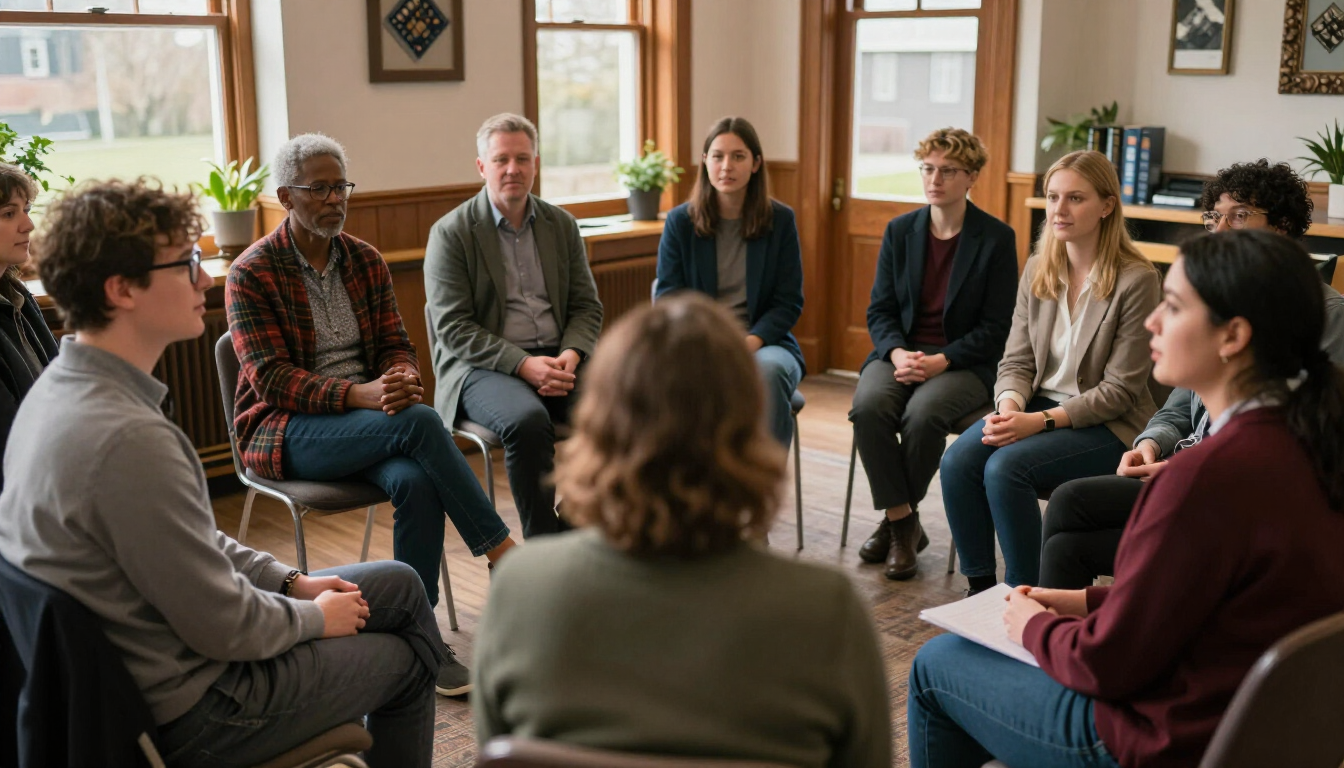
Modern Meeting

Core Takeaways for Managing Neurodifference

Effectively supporting neurodifference in employment requires a shift from viewing neurodivergence as a challenge to seeing it as a strategic asset. By focusing on clear communication, environmental adjustments, and professional accredited training, organizations can create a sustainable ecosystem where every employee—regardless of their brain type—can contribute their best work.

To succeed in neuro-inclusion, remember these key steps:

  • Prioritize Clarity: Use direct language and provide written follow-ups for all verbal instructions.
  • Adapt the Environment: Small changes to lighting, noise, and scheduling can yield significant productivity gains.
  • Invest in Education: Utilize ITOL accredited training to ensure your management team is professionally equipped.
  • Lead with Empathy: Listen to the lived experiences of neurodivergent staff to identify and remove unique barriers.
  • Collaborate Constantly: Work with neurodivergent-led organizations like AISee to ensure your strategies are authentic and effective.

By following these principles, you will not only comply with modern employment standards but also lead the way in creating a truly innovative and inclusive 21st-century workplace. For more detailed insights, to our approach one can explore for example our Informed Solutions Summary Report .

Recent Posts

A neurodivergent child engaging in a supportive and inclusive educational environment.
July 17, 2026
AISee Collaborative proposes a 24-month study to transform early support for neurodivergent children and young people. Discover our neurodivergent-led research plan and solutions.
A collaborative meeting between a professional and an individual discussing personal outcomes.
July 6, 2026
Learn how to contribute effectively to a person-centred adult outcome assessment. Expert guide for neurodivergent individuals, carers, and professionals in Scotland.
By thom Kirkwood July 5, 2026
We at AISee Collaborative are always deeply thankful to receive recommendations from our community for our Inspirational and Reflective Reading series, and Beyond Behaviours feels like a particularly special one. It has been recommended not only by psychologists, but also by parent carers whose understanding comes from both professional knowledge and the deeply personal experience of walking alongside children and young people through distress, uncertainty and challenge. At its heart, this book invites us to pause and look more gently at behaviours that can so often leave adults feeling worried, exhausted or at a loss. Rather than asking, “What is wrong with this child?”, it helps us ask, “What might this child be carrying, feeling or trying to communicate?” Drawing on neuroscience, Beyond Behaviours offers a compassionate framework for understanding the hidden causes and triggers beneath behaviour, helping us see children not through the lens of blame or frustration, but through curiosity, empathy and care.
Professional legal setting representing inclusive justice for neurodivergent individuals.
June 28, 2026
Learn how viewing ASD and ADHD behaviors as communication and processing challenges can reduce bias and improve outcomes within the UK justice system.
By thom Kirkwood June 21, 2026
On the topic of feelings. This book is the most regularly suggested book on the subject for inclusion on AISee’s Inspirational and Reflective Reading List. Suggested from parents/cares, support for learning assistants, teachers and social care support staff. The Great Big Book of Feelings allows children to explore how they’re feeling in a safe and judgement free environment. If you’re looking for a trusted, practical way to help children understand and talk about emotions, The Great Big Book of Feelings is an excellent place to start. With engaging artwork and warm, accessible language, it helps children recognise what they feel, name those emotions with confidence, and open up in a safe, supportive way. Ideal for families, classrooms and support settings, this thoughtful book turns everyday moments into opportunities for meaningful conversation. By exploring feelings at home, at school and in social situations, it encourages empathy, reassurance and emotional resilience—making it a valuable resource for anyone who wants to support children’s wellbeing with warmth, humour and sensitivity.
Scales of justice representing the legal system and neurodiversity assessment.
June 12, 2026
Discover how indicative profiling and early assessment tools for Autism and ADHD can transform outcomes in the justice system through prevention and rehabilitation.
By Thom Kirkwood June 12, 2026
A wonderful supportive suggestion to AISee’s Inspirational and Reflective List. Parent/Carer-Focused Appeal If you are supporting a child with ADHD, this book offers practical, reassuring guidance you can use in everyday family life. Written in clear, accessible language by a paediatrician, it helps parents and carers better understand ADHD while offering proven mindfulness-based strategies to reduce stress, build connection, and create calmer routines at home. It is a thoughtful and encouraging resource for families looking for realistic support, greater confidence, and a more compassionate way to navigate daily challenges together. 
By thom Kirkwood June 9, 2026
This book was recommended for inclusion in AISee’s inspirational and reflective reading list by an international colleague. For me, it proved to be more reflective than inspirational. It invited me to pause and think not only about how our understanding has developed over time, but also how much remains uncertain, unspoken and still to be learnt. It first led me to reflect on how long the journey of learning, research, and understanding can be. The first recorded use of the word autism is generally attributed to the Swiss psychiatrist Paul Eugen Bleuler around 1911. It appeared again in the work of the Russian psychiatrist Grunya Sukhareva in the early 1920s, culminating in one of the first clinical descriptions of autistic traits in 1925. That was some twenty-five years before the work of Kanner and Asperger, a reminder of how gradual, layered, and often incomplete progress in this field has been.
An individualised holistic assessment planning layout
May 30, 2026
Learn how to create effective, in-school individualised holistic assessments for neurodivergent students with our comprehensive 2026 guide for teachers and parents.
Professional development and wellbeing assessment overview for youth justice professionals.
May 27, 2026
Explore the transformative benefits of development and wellbeing assessments for neurodivergent individuals within the youth justice system in Scotland.
Show More